Maintaining a safe and resilient home requires more than addressing visible problems—it involves understanding how different systems work together and how small issues can escalate when left unaddressed. Whether related to structure, weather protection, interior systems, or exterior surfaces, every part of a house contributes to overall safety. A well-planned approach that emphasizes early detection, strategic upgrades, and preventive maintenance can dramatically reduce risks, extend the lifespan of essential components, and create a healthier environment.
Homeowners who take the time to assess their property, schedule regular inspections, and invest in professional guidance can avoid many hazards, including water intrusion, air contamination, electrical problems, and temperature instability. The goal of improving home safety is not only to fix what is broken but also to make smarter choices that strengthen the home’s durability and performance for years to come. This comprehensive guide explores targeted repair strategies, system upgrades, and essential maintenance tasks that support safer, more dependable living spaces.
Strengthening Indoor Air Quality and Climate Control
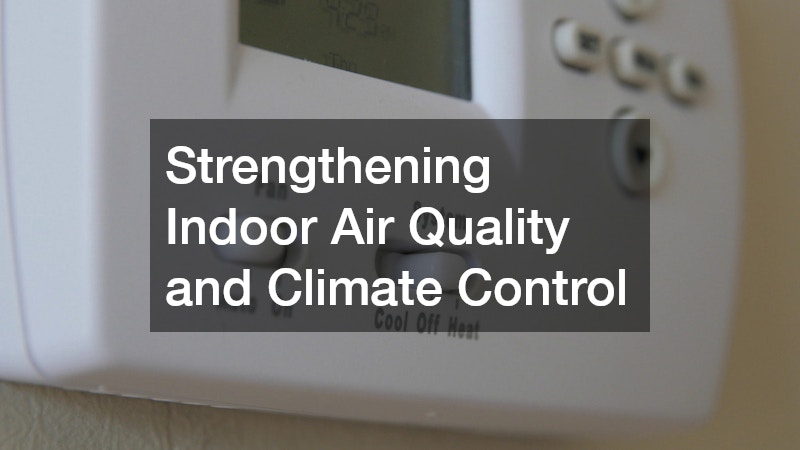
A healthy indoor environment starts with systems designed to regulate temperature and airflow. When these systems fail, homeowners may experience uneven heating or cooling, indoor humidity fluctuations, and compromised air quality. Addressing problems early prevents discomfort and reduces the risk of safety hazards.
Identify Early Warning Signs of System Malfunctions
Heating and cooling equipment often gives clues when something is wrong. Paying close attention to unusual sounds, inconsistent temperatures, or higher-than-normal energy bills can prevent small issues from escalating. Early detection helps homeowners address problems before they cause system failures, reduce efficiency, or pose safety risks. Regularly monitoring filters, vents, and thermostat performance also provides insight into the overall health of the system and ensures timely intervention, keeping indoor air quality and comfort at optimal levels.
Homeowners should watch for:
- Loud rattling or grinding noises
- Sudden temperature swings
- Weak airflow from vents
- Unusual odors coming from units
- Rising utility bills despite normal usage
These symptoms may indicate the need for HVAC repair or furnace services to correct mechanical defects, clogged filters, or airflow restrictions. Unresolved issues can strain equipment and lead to overheating, refrigerant leaks, or reduced ventilation.
Improve Whole-Home Safety With Regular System Care
Proper climate control does more than maintain comfort—it protects the structure and the people inside it. Poor ventilation can trap pollutants indoors, including allergens, dust, and volatile organic compounds. Meanwhile, heating equipment must be closely monitored to minimize the risk of carbon monoxide exposure.
Routine maintenance ensures burners, heat exchangers, and ventilation pathways remain clean and functional. Professional tune-ups are essential for preventing fire risks and carbon monoxide leaks. These inspections help confirm that safety controls are working, electrical connections are stable, and components are not damaged or corroded.
Schedule Preventive Maintenance for Better Reliability
Preventive maintenance keeps systems efficient and extends their lifespan. By addressing small issues before they escalate, homeowners can avoid costly repairs and unexpected breakdowns, especially during peak seasons when HVAC demand is highest. Regular check-ups help maintain energy efficiency, lower utility bills, and ensure consistent indoor comfort. Preventive measures also allow professionals to identify hidden problems, such as worn components or minor leaks, before they compromise performance. Establishing a routine maintenance schedule creates peace of mind and protects your investment over the long term. Homeowners can improve safety and performance by:
- Replacing air filters every 1–3 months
- Scheduling pre-season inspections before heavy heating or cooling use
- Keeping outdoor condenser units free of debris
- Monitoring thermostat settings for accuracy
- Inspecting ductwork for gaps or leaks
Protecting Structural Integrity at the Foundation Level
A stable foundation is fundamental to home safety. Even minor changes in soil, moisture levels, or structural alignment can lead to significant long-term issues that may affect walls, floors, and overall structural integrity. Catching cracks, settling, or water infiltration early is crucial to preventing major structural damage, preserving property value, and maintaining a secure home for all occupants. Professional local foundation repair and foundation inspection help detect these problems before they escalate, giving homeowners actionable strategies to reinforce and stabilize their property.
Recognize Symptoms of Structural Weakness
Homeowners may overlook early indicators of foundation trouble. Warning signs include:
- Cracks in drywall or exterior brick
- Doors and windows that suddenly jam
- Uneven or sloping floors
- Gaps appearing around trim or baseboards
- Moisture or mold in the basement
When these signs appear, scheduling repair becomes critical to preventing widespread damage. Untreated issues can cause floors to sink, walls to bow, or framing to shift, posing serious safety concerns.
Ensure Long-Term Stability Through Regular Professional Assessments
A professional inspection offers a detailed understanding of structural conditions, identifying potential issues that may not be visible to the untrained eye. Inspectors evaluate soil movement, water accumulation, cracks, and load-bearing integrity, providing homeowners with a clear action plan. Regular assessments allow for early intervention, preventing minor problems from escalating into major structural failures and helping maintain the safety, value, and longevity of the home.
These evaluations identify:
- Soil movement
- Water accumulation near the foundation
- Cracking patterns that suggest shifting
- Weak points in load-bearing areas
- Early signs of settling
Because the foundation affects every part of the home, annual inspections help homeowners stay ahead of developing problems. Timely professional intervention with local foundation repair ensures safety, prevents costly deterioration, and maintains long-term stability.
Take Swift Action on Repairs to Prevent Worsening Damage
Once damage is identified, timely intervention prevents further deterioration. Depending on the issue, repair strategies may include reinforcing beams, filling cracks, sealing leaks, or improving drainage systems around the home. Professional solutions address underlying issues, such as soil erosion or poor grading, keeping the structure secure for years to come.
Maintaining a Safe and Durable Roof System
Roof safety is vital for protecting the home from wind, rain, heat, and snow. A compromised roof can lead to extensive water damage and structural deterioration. Regular inspections and timely fixes from a roofing company or roof repair professionals help preserve the home’s integrity.
Spot Early Signs of Roof Wear and Vulnerability
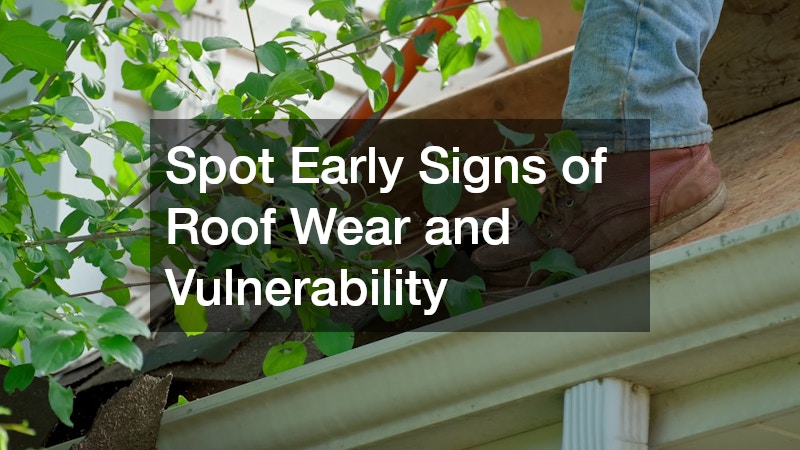
Indicators that a roof may need attention include:
- Missing or curling shingles
- Soft areas that indicate rot
- Shingle granules are collecting in gutters
- Discoloration or dark streaks
- Interior water stains
Prompt roof repair prevents leaks, mold growth, and insulation damage.
Improve Safety With Prompt Professional Intervention
Working with an experienced roofing company ensures repairs are completed safely and correctly. Professionals have the knowledge, tools, and training to address structural, mechanical, or system issues without creating additional risks. Timely intervention prevents small problems from escalating into costly or hazardous situations, protects occupants, and ensures all work meets building codes and industry safety standards.
Extend Roof Lifespan With Ongoing Care
Regular maintenance prevents small issues from becoming major hazards. Routine inspections identify loose shingles, minor leaks, clogged gutters, and early signs of wear before they compromise the roof’s integrity. Addressing these issues promptly protects the home from water damage, mold, and structural deterioration. Consistent upkeep, including metal roofing inspections, extends lifespan, maximizes energy efficiency, and preserves property value.
Enhancing Weather Protection With Durable Roofing Materials
Modern roofing materials, such as metal roofing, improve resistance to extreme weather while reducing repair frequency. Properly installed gutters by professional gutter contractors ensure water is directed safely away from the home, preventing foundation or siding damage.
Preventing Moisture Damage With Quality Exterior Finishes
Exterior surfaces offer critical protection from moisture and weather. As paint and sealants deteriorate, water can seep into siding, woodwork, and structural components. Maintaining a strong exterior finish is key to home safety.
Identify When Your Exterior Coatings Are No Longer Effective
Homeowners should routinely inspect the outside of their homes for:
- Peeling or bubbling paint
- Cracks in siding
- Exposed wood
- Faded or chalky surfaces
These signs indicate that exterior painter services or local painting companies may be needed to maintain protection against wind, rain, and UV damage. Timely maintenance prevents structural rot, water intrusion, and premature deterioration of the home’s envelope.
Improve Home Resilience Through Updated Protective Coatings
Hiring professionals ensures proper preparation and long-lasting results. High-quality exterior coatings protect the home from temperature fluctuations, reduce moisture infiltration, and improve energy efficiency. By applying durable paints and sealants, homeowners extend the lifespan of siding, trim, and other vulnerable materials while maintaining aesthetic appeal. Regular inspections combined with professional updates also reduce long-term repair costs and contribute to a safer living environment.
Create a Maintenance Schedule to Prevent Long-Term Deterioration
Regular upkeep helps avoid expensive repairs. Local painting companies can recommend:
- Inspection timelines
- Appropriate paint types for climate conditions
- Maintenance intervals to ensure lasting protection
Consistently maintaining exterior finishes reduces the risk of mold, water damage, and structural decay. A strong exterior protective layer also supports energy efficiency and strengthens the home against environmental stressors.
Coordinating Safety-Focused Repairs for Maximum Efficiency
Safety-focused renovations are more effective when coordinated strategically. Combining repairs helps homeowners save time, prevent disruptions, and reduce overall costs.
Combine Upgrades to Save Time and Reduce Safety Risks
Coordinating repairs across different systems ensures every part of the home works together efficiently. For example, pairing roof repair and gutter improvements allows water management and structural protection to be addressed simultaneously. Integrating HVAC repair or furnace services with ductwork cleaning ensures indoor air quality and temperature consistency are maintained while minimizing contractor visits.
Budgeting and Planning Strategies for Comprehensive Improvements
Prioritizing repairs that address safety first, such as foundation issues or roofing concerns, ensures a home’s most critical components are protected. Homeowners can create a phased plan that allocates resources for multiple repairs while reducing the likelihood of overlooking safety risks. Detailed budgets help plan sequences logically without compromising quality or safety.
Vetting Professionals to Ensure Quality Work
When selecting contractors, homeowners should:
- Verify licenses and certifications
- Review past projects
- Ask for references
- Compare written estimates
- Confirm warranty details
Working with experienced professionals, such as gutter contractors, roofing company experts, and foundation repair specialists, ensures repairs are performed safely, meet industry standards, and enhance long-term reliability.
Building a Preventive Maintenance Plan for Long-Term Safety
A strong maintenance plan helps homeowners stay ahead of potential issues and extends the lifespan of major components. Regular inspections, routine cleaning, and timely repairs for HVAC systems, roofing, and structural elements prevent small problems from escalating into serious hazards.
Annual, Seasonal, and Monthly Checklists
Creating a schedule ensures regular oversight. For instance:
- Get an annual structural inspection and foundation inspection
- Seasonal HVAC repair or furnace services
- Monthly checks for leaks, drafts, or exterior wear
Documenting inspections and repairs allows homeowners to track trends, anticipate future issues, and provide proof of diligent care for insurance or resale purposes. Consistent adherence ensures a safer, more efficient, and resilient home.
Documenting Repairs and Scheduling Future Assessments
Keeping detailed records helps track what has been repaired and when follow-ups are required. This information allows future contractors to understand the home’s history, reducing the risk of repeat issues and enabling smarter repair strategies. Detailed documentation also helps homeowners plan preventative maintenance, monitor recurring problems, and provides a reference for insurance claims or resale, ensuring that all repairs are properly accounted for and that long-term safety improvements remain consistent and effective.
Preparing for Extreme Weather and Emergency Situations
Homes should be prepared for storms, heat waves, or cold snaps. Strategies include reinforcing weak areas, trimming trees, inspecting roofs and gutters, and storing emergency supplies. Planning ahead protects both the home and its occupants from damage or injury.
Improving home safety requires proactive care, strategic upgrades, and a clear understanding of how different systems affect overall performance. Every component—from the roof to the foundation—plays a vital role in maintaining structural integrity, indoor comfort, and long-term resilience. By monitoring early warning signs, committing to regular inspections, and working with trusted professionals, homeowners can prevent costly damage and avoid safety hazards.
Coordinating repairs and establishing a preventive maintenance schedule ensures that each improvement contributes to a safer and more reliable living environment. With consistent attention and strategic decision-making, every homeowner can strengthen their property, protect their family, and maintain peace of mind for years to come. Additionally, integrating energy-efficient solutions, durable materials, and updated technology further enhances safety, reduces long-term maintenance costs, and ensures that the home remains functional, resilient, and comfortable for all occupants.