
Creating a home that feels comfortable year-round while also standing strong against weather, wear, and unexpected emergencies requires more than trendy gadgets. True smart upgrades seamlessly integrate technology with structural enhancements, prioritizing efficiency, safety, and long-term durability. From exterior reinforcements to system modernizations, homeowners today have more options than ever to protect their investment while enhancing daily living.
Upgrade Your Windows for Better Energy Control and Privacy
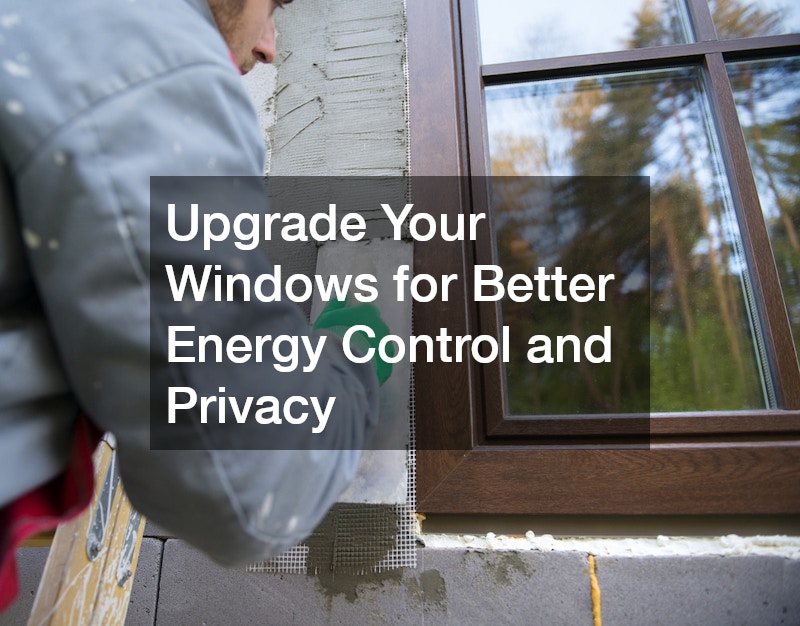
Improving your windows is one of the most impactful ways to increase indoor comfort. Residential window tinting reduces heat gain during hot months, minimizes glare, and blocks harmful UV rays that can fade furniture and flooring. Modern films come in various shades and performance levels, allowing homeowners to maintain natural light while significantly lowering indoor temperatures. When properly installed, window tinting reduces strain on HVAC systems and can lead to noticeable energy savings over time.
When adding smart window treatments or automated shading systems, consult local electricians to ensure your home’s wiring can safely support new devices. Motorized blinds, smart glass panels, and integrated climate control systems often require dedicated circuits or updated panels. A licensed professional can verify load capacity, install surge protection, and ensure all connections meet safety standards. Proper integration prevents overheating, tripped breakers, and system malfunctions while enhancing convenience.
Actionable Tips:
- Choose tint levels based on window orientation (south-facing windows typically need higher heat rejection).
- Combine window upgrades with smart thermostats for better climate control.
- Install programmable blinds that adjust automatically throughout the day.
- Request an electrical panel inspection before adding multiple smart features.
Strengthen Your Home’s Exterior Against Weather Damage
Your home’s exterior is its first line of defense against wind, rain, and extreme temperatures. Modern siding installation improves insulation, prevents moisture intrusion, and enhances curb appeal. Today’s materials—such as fiber cement and insulated vinyl—offer superior durability compared to older products. Replacing damaged or outdated siding can eliminate drafts, reduce pest intrusion, and improve overall energy efficiency. In addition to material selection, proper installation techniques play a critical role in performance. A well-installed moisture barrier, correctly sealed seams, and appropriate fastening methods ensure the siding system performs as intended. Homeowners should also consider color retention, impact resistance, and manufacturer warranties when selecting materials, as these factors influence both long-term maintenance costs and overall value.
Before installing attic fans, solar panels, or upgraded ventilation systems, have local roofers inspect your roofing system. Even minor weaknesses in shingles or flashing can compromise larger upgrades. A professional inspection ensures the structure can handle additional equipment weight and withstand severe weather conditions. Addressing small roof issues early prevents water damage, mold growth, and insulation deterioration. Roofers can also assess attic ventilation balance, underlayment condition, and drainage pathways to confirm your roof is functioning efficiently. Proactively reinforcing vulnerable areas—such as valleys, penetrations, and edge flashing—helps extend the lifespan of your roofing system while protecting the comfort and structural integrity of your home.
Actionable Tips:
- Inspect siding annually for cracks, warping, or gaps.
- Upgrade underlayment during roofing projects for added moisture protection.
- Add ridge vents or attic ventilation to improve airflow.
- Seal exterior gaps around windows and doors to reduce drafts.
Improve Drainage and Foundation Protection
Water damage is one of the most expensive problems homeowners face, and it often starts outside. If your yard slopes toward your home or collects standing water, excavation contractors can regrade the soil to direct water away from the foundation. Proper grading prevents basement leaks, foundation cracks, and long-term structural damage. Installing French drains or dry wells also helps manage excess runoff during heavy storms. In some cases, adding swales or extending downspouts farther from the home provides additional protection against pooling water. Addressing these drainage concerns early preserves soil stability and reduces hydrostatic pressure that can push moisture through foundation walls over time.
Inside the home, preventive plumbing upgrades provide additional protection. A local plumber can install smart leak detection systems that automatically shut off water if a pipe bursts or a fixture leaks. These systems send alerts to your smartphone, allowing you to respond quickly before significant damage occurs. Upgrading aging pipes and adding pressure regulators also reduces the likelihood of costly emergencies. Routine inspections of water heaters, washing machine hoses, and under-sink connections further minimize risk. By combining smart monitoring technology with proactive maintenance, homeowners can significantly decrease the chances of unexpected water damage disrupting their property and daily routines.
Actionable Tips:
- Ensure downspouts extend at least five feet from the foundation.
- Test sump pumps before the rainy season begins.
- Insulate exposed pipes to prevent freezing.
- Schedule routine plumbing inspections to identify hidden leaks.
Increase Storm and Emergency Preparedness
Extreme weather events are becoming more common, making proactive protection essential. Tornado shelter installation provides a reinforced safe space designed to withstand high winds and flying debris. Shelters can be installed in basements, garages, or underground locations and are constructed with reinforced steel or concrete. Proper ventilation and emergency communication features enhance safety during extended shelter periods. Homeowners should also evaluate door strength, locking mechanisms, and anchoring systems to ensure the shelter meets or exceeds FEMA guidelines. Including emergency supplies such as water, first-aid kits, flashlights, and backup power sources further increases readiness. Planning clear access routes and conducting family safety drills can make a critical difference when seconds count.
During winter, heavy snow accumulation can strain roofing systems and cause ice dams. Coordinating with local roofers to install heating cables or improve insulation reduces the risk of structural damage. Proper attic ventilation prevents warm air from melting snow unevenly, which can refreeze and create dangerous ice buildup. In addition to ventilation improvements, sealing air leaks around attic hatches and recessed lighting helps maintain consistent roof temperatures. Routine gutter cleaning and reinforcing vulnerable roof edges also reduce the likelihood of water backing up beneath shingles. Taking these preventive measures not only protects the structural integrity of your home but also minimizes costly emergency repairs during harsh winter conditions.
Actionable Tips:
- Choose shelter locations that allow quick access from living areas.
- Install battery-powered lighting inside emergency spaces.
- Clear gutters before winter to prevent ice formation.
- Reinforce garage doors to withstand strong winds.
Boost Outdoor Safety and Property Protection
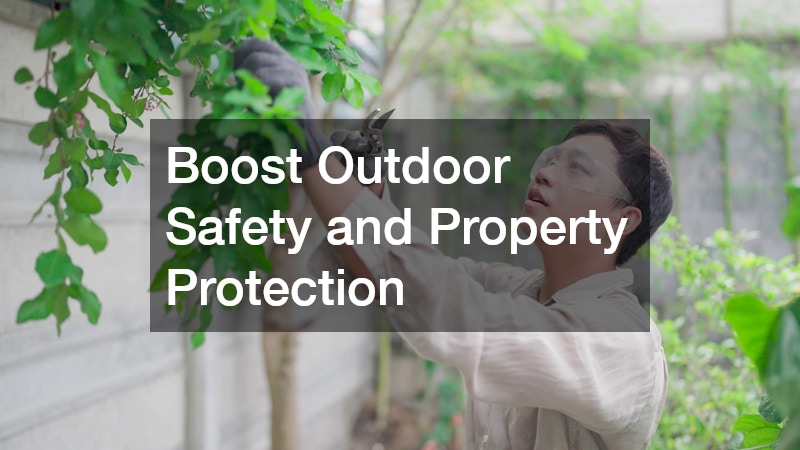
Overhanging branches and weakened trees pose serious risks during storms. Routine tree trimming reduces the likelihood of limbs falling on your roof, siding, or power lines. Strategic pruning also promotes healthier growth and improves sunlight distribution across your yard. Removing dead or diseased branches prevents further decay and structural instability.
Driveways and walkways are often overlooked in home protection plans. Hiring an asphalt company to repair cracks and resurface aging pavement prevents water infiltration and freeze-thaw damage. Sealcoating adds a protective layer that resists moisture, oil spills, and UV exposure. A well-maintained driveway not only improves curb appeal but also reduces trip hazards and surface deterioration.
Actionable Tips:
- Trim branches at least six to ten feet away from roofing.
- Inspect pavement annually for cracks wider than a quarter inch.
- Sealcoat driveways every two to three years.
- Ensure proper drainage slopes away from structures.
Prepare Your Property for Seasonal Extremes
Winter weather can create hazardous conditions and structural strain. Professional snow removal services help prevent roof overload and reduce slip hazards on walkways. Accumulated snow adds significant weight to roofing systems, particularly flat or low-slope designs. Prompt clearing protects structural integrity and enhances accessibility during storms. Beyond weight concerns, melting and refreezing cycles can create ice dams that trap moisture beneath shingles, increasing the risk of leaks and interior water damage. Keeping driveways, steps, and entry paths clear also reduces the likelihood of falls and liability issues. Establishing a snow management plan before the season begins ensures faster response times and consistent protection throughout the winter months.
In warmer months, improving window performance can reduce cooling costs. Residential window tinting blocks excess heat while maintaining visibility and natural light. Combining tinting with reflective blinds or insulated curtains enhances thermal performance. Together, these upgrades stabilize indoor temperatures and create a more comfortable living environment. Window improvements also reduce glare on screens and protect furnishings from fading due to UV exposure. By lowering solar heat gain, homeowners can reduce strain on air conditioning systems, potentially extending equipment lifespan and decreasing monthly energy bills. Strategic enhancements to window efficiency create year-round comfort while contributing to long-term energy savings.
Actionable Tips:
- Use roof rakes to safely remove light snow buildup.
- Install heated driveway systems in regions with heavy snowfall.
- Reapply window film as recommended by the manufacturer.
- Monitor attic insulation levels before seasonal changes.
Modernize Utility Systems for Comfort and Reliability
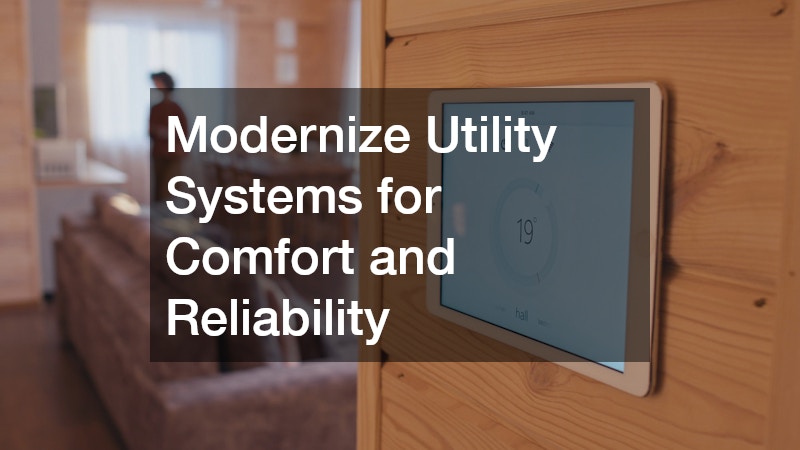
As smart devices become more common, electrical systems must keep pace. Local electricians can upgrade outdated panels, add dedicated circuits, and install whole-home surge protection. These improvements safeguard appliances, security systems, and automation hubs from voltage spikes. Backup generators or battery systems further enhance reliability during outages.
Water systems also benefit from modernization. A local plumber can install tankless water heaters, pressure-balancing valves, and smart water monitoring devices. These systems provide consistent hot water, reduce energy consumption, and detect irregular usage patterns. Preventative upgrades protect against leaks and improve overall efficiency.
Actionable Tips:
- Replace panels older than 25 years.
- Install ground fault circuit interrupters in wet areas.
- Flush water heaters annually.
- Add smart water sensors near washing machines and sinks.
Enhance Curb Appeal While Improving Structural Protection
Large exterior renovations often begin with proper site preparation. Excavation contractors ensure stable soil conditions before driveway expansions, retaining walls, or landscaping projects. Stabilizing the ground prevents settling and cracking that can compromise structures over time. Proper compaction and grading support long-term durability. In addition to leveling and compacting soil, professionals evaluate drainage patterns to prevent water from pooling near foundations or paved surfaces. Addressing underground obstacles, such as old tree roots or unstable fill material, further reduces the risk of shifting. Thorough site preparation lays the groundwork for every improvement that follows, helping homeowners avoid costly structural corrections in the future.
Driveway maintenance remains essential for protecting your investment. Partnering with an asphalt company for periodic inspections ensures early detection of damage. Small cracks can quickly expand if left untreated, especially in climates with extreme temperature shifts. Preventative resurfacing extends pavement lifespan and enhances appearance. Regular sealcoating creates a protective barrier against moisture, UV exposure, and vehicle fluids that can weaken the surface. Timely repairs not only improve curb appeal but also maintain a smooth, safe driving and walking surface, reducing the likelihood of tripping hazards or vehicle damage over time.
Actionable Tips:
- Address drainage issues before installing any new hardscapes.
- Compact soil in layers for maximum stability.
- Apply protective coatings to extend surface longevity.
- Schedule professional evaluations after severe weather.
Reinforce Exterior Systems for Long-Term Resilience
Upgrading exterior materials significantly enhances your home’s defensive capabilities. Modern siding installation options provide improved insulation and weather resistance compared to older materials. Choosing impact-resistant products reduces damage from hail or debris while maintaining aesthetic appeal. Many newer siding systems also include integrated insulation layers that minimize thermal bridging, helping to maintain consistent indoor temperatures throughout the year. Properly installed house wrap and moisture barriers further strengthen the wall assembly, preventing water intrusion that can lead to rot or mold. By selecting durable materials designed for your specific climate, you not only improve resilience but also reduce long-term maintenance demands.
Roof upgrades remain critical for overall protection. Consulting local roofers before installing smart attic systems ensures structural readiness. Reinforced underlayment, upgraded flashing, and high-wind-rated shingles improve durability. These improvements protect interior spaces from leaks and temperature fluctuations. In addition, modern roofing systems often incorporate advanced ventilation components that regulate attic temperatures and reduce moisture buildup. Strengthening roof decking and securing vulnerable edges can significantly increase resistance to severe storms. Proactive upgrades extend the lifespan of the roof while safeguarding insulation, ceilings, and interior finishes from preventable damage.
Actionable Tips:
- Inspect attic spaces for moisture after heavy rain.
- Upgrade flashing around chimneys and vents.
- Consider insulated siding for added thermal efficiency.
- Schedule roof inspections annually.
Smart home upgrades go beyond convenience features and trendy technology. When thoughtfully planned, they strengthen your home’s structure, reduce energy costs, and create a safer living environment. From improved drainage and reinforced exteriors to modernized utility systems, each upgrade contributes to a more resilient and comfortable space.
By prioritizing preventive improvements and working with qualified professionals when needed, homeowners can avoid costly repairs while enhancing daily life. A strategic approach to comfort and protection ensures your home remains efficient, secure, and ready to withstand whatever challenges the future may bring.