
Building, renovating, or updating a home involves a multitude of structural and aesthetic decisions. Among the most critical choices a homeowner faces is selecting the right materials for each specific area of the house. From the foundational elements supporting the structure to the surface finishes defining the interior aesthetic, each material brings unique performance characteristics, durability factors, and maintenance needs. Understanding how these diverse components function helps homeowners make informed investments, plan timely updates, and preserve overall property value over time.
Selecting appropriate materials requires balancing immediate project costs against long-term durability and upkeep requirements. Modern residential construction utilizes a diverse mix of organic and synthetic elements designed to withstand structural loads, resist environmental weathering, and provide visual appeal. A thorough understanding of these building components allows individuals to properly maintain their homes, tackle targeted renovation projects, and collaborate effectively with contractors. By taking a proactive approach to material evaluation, property owners can maximize performance across every single zone of their living space.
Exterior Structural and Weatherproofing Elements
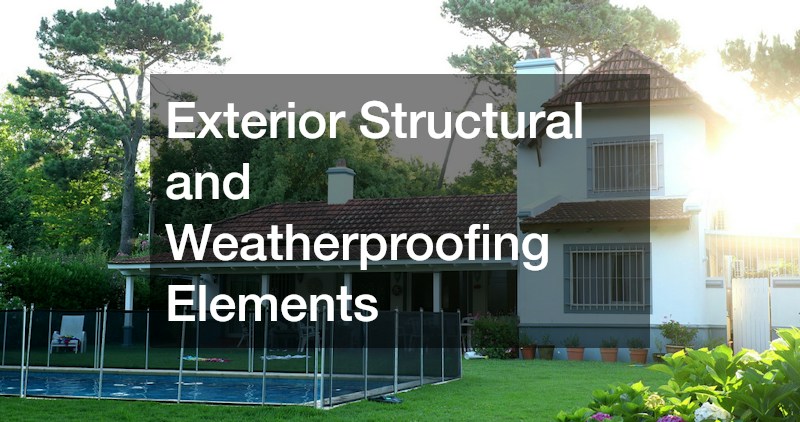
The exterior shell of a residential property represents the primary barrier against natural weather elements, thermal transfer, and moisture damage. Selecting, maintaining, and repairing external surfacing materials ensures the underlying structural frame remains sound over decades of exposure to sun, rain, and temperature fluctuations.
Inspecting and Patching Wall Surfaces Regularly
Exterior claddings such as vinyl siding repairs require prompt attention to maintain a watertight envelope around the dwelling structure. Over time, high winds, flying debris, or severe temperature changes can crack, loosen, or puncture outer wall panels, leaving the underlying wall framing vulnerable to moisture penetration. When addressing wall maintenance, inspecting all overlapping joints, corner posts, and trim pieces helps identify hairline fractures before water reaches interior insulation layers. Small gaps or loose panels can often be re-secured or sealed with specialized exterior caulking, whereas severely damaged sections should be cleanly removed and swapped with matching paneling. Ensuring adequate expansion room during installation prevents future warping, as outer plastic compounds naturally expand and contract with seasonal climate changes.
Upkeep Strategies for Overhead Weather Protection
Roofs face relentless sun exposure, heavy rain, wind, and heavy snow loads, making structural integrity paramount. Choosing metal roofing provides long-term resistance to harsh weather conditions, offering exceptional durability compared to traditional organic options. Periodic inspections of fasteners, flashing around chimneys, and seam overlaps prevent minor moisture pathways from escalating into interior leaks. Keeping gutters clear of leaves and debris ensures efficient drainage away from roof edges, reducing standing water risks. If minor surface scratches appear on coated metal panels, applying manufacturer-approved touch-up sealant helps preserve the protective coating and maintain optimal weather resistance over decades of operation.
Ground-Level Surfaces and Hardscaping
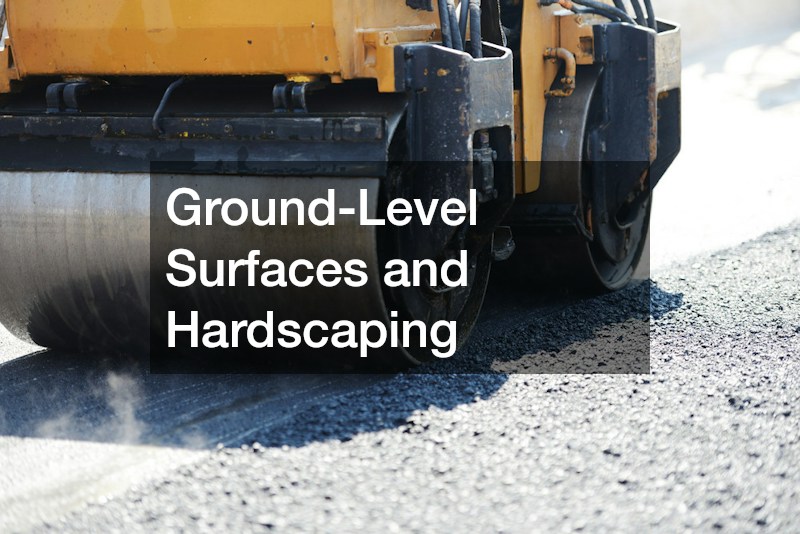
Paved surfaces and solid ground installations provide structural pathways, entryways, and stable foundations around a home. Selecting appropriate heavy-duty ground materials ensures vehicles and foot traffic are supported without cracking, settling, or eroding the surrounding soil.
Preparing Driveway Surfaces for Long-Term Use
Paving a residential driveway with asphalt offers a flexible, resilient surface capable of handling heavy vehicular loads and seasonal freeze-thaw cycles. Proper sub-base preparation is essential prior to pouring, as a compacted gravel foundation ensures proper water drainage and prevents ground shifting beneath the top coat. Once installed, periodic application of high-quality sealcoating protects the binding petroleum agents from oxidation caused by solar ultraviolet rays and oil spills. Filling minor hairline cracks promptly with specialized rubberized filler prevents water from entering the subterranean layers, where frozen moisture could otherwise cause deep structural potholes and surface crumbling.
Ensuring Long-Lasting Foundation Batches
When casting small concrete slabs, fence post foundations, or walkways, utilizing cement ready mix streamlines the job by ensuring a uniform distribution of aggregates, binders, and water ratios. To achieve optimal strength, the surrounding ground must be thoroughly compacted and framed with sturdy wooden forms before pouring. Pouring the wet mixture continuously avoids cold joints, which are weak points formed when fresh compound meets already drying material. After leveling the surface with a screed and smoothing it with a float, maintaining proper moisture during the curing period prevents rapid surface evaporation, ensuring the finished slab achieves maximum load-bearing strength without shrinkage cracks.
Selecting Professional Structural Slab Contractors
For major structural projects such as foundational slabs, large retaining walls, or multi-car driveways, hiring specialized concrete services ensures the project adheres to local building codes and soil mechanics standards. Experienced crews evaluate soil compaction, incorporate steel rebar grid reinforcement, and establish ideal expansion joints that control where stress relief cracks might naturally occur. Professional crews also utilize specialized finishing tools to apply customized textures, such as broom finishes for non-slip outdoor walkways or smooth troweled finishes for indoor utility floors. Proper curing compounds or wet burlap covers are applied systematically to guarantee optimal hydration and long-term surface durability.
Structural Framing and Framing Components

The interior framework of a residential structure relies heavily on structural framing components to carry roof loads, support second-story flooring, and hold exterior walls square. Proper selection, installation, and preservation of framing elements guarantee that a home remains stable and safe for decades.
Selecting Proper Dimensional Lumber for Projects
Building walls, roof trusses, and subfloor support systems requires using high-grade construction wood that meets specific moisture content and load-bearing requirements. Properly kiln-dried dimensional lumber minimizes post-installation warping, twisting, and shrinking, which can otherwise cause interior drywall cracks or squeaky floors. Builders must store framing materials off the ground and beneath protective tarps prior to installation to shield them from ambient rainfall. Inspecting boards for large knots, deep splits, or severe crowns ensures that only straight, structurally sound studs are incorporated into load-bearing assemblies.
Remediating Moisture Damage in Timber Supports
Exposed wooden components in crawl spaces, window sills, and deck supports are susceptible to moisture accumulation and decay. Executing a comprehensive wood rot repair involves identifying the primary source of water infiltration, replacing decayed timber with pressure-treated material, and reinforcing neighboring framing members. Before installing fresh timber, all compromised, soft, or crumbly fibers must be excavated down to sound, solid wood. Treating the remaining sound timber with borate preservatives stops fungal growth, while applying high-strength structural epoxies can restore original profiles to minor surface voids before repainting or sealing the surface.
Interior Surfaces and Wall Finishes
Interior wall coverings and tiling materials play a vital role in setting the aesthetic tone of a home while offering functional water resistance in high-moisture zones such as bathrooms, kitchens, and entryways.
Installing Natural Stone Tile Finishes Properly
Incorporating marble tiles across interior floors, shower surrounds, or kitchen backsplashes adds classic elegance and exceptional durability to high-traffic areas. Because natural stone is inherently porous, installing a sound waterproof membrane beneath the tile assembly is crucial in areas exposed to direct water contact. Utilizing appropriate thin-set mortar designed for heavy natural stone prevents tile sagging or unbonding over time. Once laid and grouted, sealing the stone surface with a penetrating sealer blocks oil, water, and dirt from seeping into microscopic pores, preserving the natural color variations and preventing stubborn surface staining.
Maintaining Stone Tile Radiance Over Time
Preserving the smooth, polished sheen of natural stone surfaces requires regular cleaning using pH-neutral soaps designed specifically for delicate stone. Avoiding harsh acidic cleaners, vinegar, or abrasive scrubbing pads prevents surface etching, dullness, or scratch marks. Sweeping floors regularly removes gritty dirt particles that act like sandpaper under foot traffic. Reapplying penetrating sealer on a yearly schedule maintains a reliable barrier against moisture penetration, ensuring tile surfaces remain bright, vibrant, and resistant to permanent discoloration.
Kitchen and Bathroom Countertop Choices
Countertop surfaces face constant daily use, requiring materials that resist impacts, thermal shock, knife scratches, and food stains. Comparing engineered stones to composite laminates helps homeowners match functionality with design aspirations and budget constraints.
Choosing Engineered Stone Counter Surfaces
Installing quartz countertops in residential kitchens provides a non-porous, highly hygienic workspace that resists staining from wine, coffee, and acidic cooking ingredients without requiring routine chemical sealers. Manufactured by combining crushed natural quartz crystals with resilient polymer resins, these engineered surfaces offer uniform patterns and extreme impact resistance. Caregivers should use hot pads or trivets beneath hot pans, as sudden thermal changes can damage the resin binders within the stone matrix. Daily maintenance remains straightforward, requiring only mild dish soap and a soft microfiber cloth to clean grease and food residue.
Budget-Friendly Countertop Upkeep Strategies
Selecting a laminate countertop offers an economical, versatile alternative for kitchen and utility room surfaces, featuring a wide array of patterns that replicate natural wood, stone, or concrete. Modern manufacturing processes utilize high-pressure decorative overlays bonded to sturdy particleboard cores, creating a smooth, functional work surface. To prolong the lifespan of these surfaces, homeowners should always use chopping boards, as direct knife cuts can slice through the decorative top layer and expose the inner wood core to moisture. Cleaning spills immediately prevents liquid from seeping into seams along backsplash edges or rim seals, preventing core swelling and surface delamination.
Comparing Material Performance Across Home Zones
Understanding how various building elements perform under specific environmental pressures enables homeowners to place materials strategically throughout the house for optimal longevity.
Exterior Exposure Resistance
- Structural steel and heavy-gauge metal panels offer superior fire, hail, and wind resistance compared to standard asphalt shingles or wooden shake roofs.
- Synthetic wall paneling eliminates the need for frequent painting, requiring only simple hose washdowns to remove surface dirt and mild pollen buildup.
- Paved driveways constructed with flexible bituminous mixtures absorb minor ground shifts better than unreinforced rigid slabs, though they require routine surface sealers.
- Dimensional lumber used in outdoor settings must be pressure-treated with preservatives or inherently rot-resistant, such as cedar or redwood, to survive ground contact.
Interior Moisture and Wear Resistance
- Engineered quartz and solid surface materials provide seamless, non-porous surfaces that resist bacterial growth in food preparation zones.
- Natural stone tiling provides unmatched elegance and longevity, though it requires specific pH-balanced cleaners and periodic re-sealing to protect against staining.
- High-pressure laminate surfaces deliver cost-effective performance for light-duty utility counters, provided seams are kept dry and protected from sharp cutting tools.
- Dry interior framing wood maintains structural integrity indefinitely when kept dry and isolated from groundwater or roof leaks.
Long-Term Value and Sustainability Considerations
Beyond basic performance and daily upkeep, choosing high-caliber building components plays a major role in overall home valuation and environmental sustainability. Eco-conscious homeowners often look for materials that maximize energy efficiency, reduce landfill waste, and lower life-cycle replacement frequencies. Selecting highly recyclable or locally sourced building supplies helps minimize the carbon footprint associated with long-distance shipping and intensive manufacturing processes.
Furthermore, investing in premium-grade structural and finishing components often translates directly into higher resale potential. Home buyers frequently prioritize properties featuring modern, low-maintenance exteriors and resilient interior surfaces that will not require immediate capital expenditure. Documenting routine maintenance records, contractor warranties, and product specification sheets gives future buyers confidence in the structural integrity of the house. Balancing initial material expenses with environmental impact and long-term resale equity ensures a holistic approach to home improvement.
Practical Maintenance Schedules for Home Materials
Developing a systematic maintenance routine ensures that every surface around the home operates at peak performance, avoiding premature replacement costs.
Spring Exterior Maintenance Tasks
- Inspect upper roof panels, flashing around chimneys, and rain gutters for loose fasteners or accumulated winter debris.
- Check exterior siding panels for cracks, loose joints, or missing trim, making small repairs to prevent water from reaching internal insulation.
- Examine asphalt driveways for fresh winter cracking, applying flexible crack fillers before summer rains wash underlying soil away.
- Inspect ground-level timber decks, structural posts, and wooden trim for soft spots, treating minor rot issues before structural strength is compromised.
Autumn Interior and Foundation Tasks
- Check stone counter surfaces, verifying that water beads up on marble or porous granite rather than soaking in, indicating adequate sealer coverage.
- Inspect concrete slabs around foundations, walkways, and basement floors for settling cracks, sealing open joints against freezing winter temperatures.
- Examine kitchen laminate counters for loose edge banding, re-securing loose trims with contact adhesive before water penetrates the core.
- Verify that crawl space vents and basement drainage systems are functioning correctly to keep subterranean framing wood dry throughout wet seasons.
By understanding the distinct properties, installation requirements, and maintenance needs of these essential building components, homeowners can make smart, cost-effective decisions for every area of their property. Investing in high-quality materials and applying proactive maintenance ensures a safe, durable, and visually appealing living environment for many years to come.