
Heating and cooling systems are essential to keeping your home comfortable year-round, but many homeowners don’t fully understand how they work. That lack of knowledge can lead to higher energy bills, unnecessary repairs, and even premature system failure.
The good news is that you don’t need to be an expert to take better care of your system. By learning a few core concepts, you can spot issues early, make smarter decisions, and keep everything running efficiently. This guide breaks down the fundamentals in a clear, practical way so you can feel confident managing your home’s comfort system.
How These Systems Actually Work
At its core, your home’s system is designed to move heat rather than simply create it. Whether your goal is to cool your home in the summer or warm it during the winter, the system works by transferring heat from one location to another. This process relies on a combination of mechanical components, refrigerant, and airflow to effectively regulate indoor temperatures. When everything is working correctly, the system maintains a consistent environment with minimal effort. Understanding this basic principle makes it much easier to grasp how issues develop and why maintenance is so important. It also helps you better understand how small inefficiencies can impact overall comfort.
The basic cycle:
- Cooling mode removes heat from indoor air and transfers it outside
- Heating mode generates or extracts heat and distributes it indoors
- A blower pushes conditioned air through ducts into each room
Key elements working together:
- Thermostat (controls temperature)
- Indoor unit (air handler or furnace)
- Outdoor unit (compressor and condenser)
- Ductwork (distributes air)
Types of systems you might have:
- Split systems (most common in homes)
- Packaged systems (all components in one unit)
- Ductless mini-splits (great for additions or older homes)
How to Identify Your System Setup:
Take a few minutes to locate your indoor and outdoor units and identify the type of setup your home uses. This simple step can make troubleshooting much easier and help you communicate more effectively if you ever need help. Knowing how heating and air conditioning systems operate at a basic level also helps you recognize when something is off. The more familiar you are with your system, the faster you can catch small issues before they become major problems.
Key Components Every Homeowner Should Know
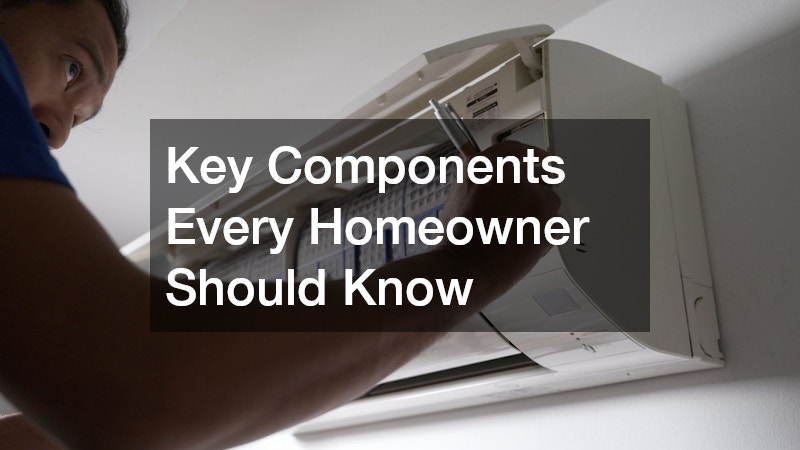
Every heating and cooling system consists of several key components that work together to regulate temperature and airflow. While the system may seem complex at first glance, breaking it down into individual parts makes it much easier to understand. Each component has a specific job, and when one part fails, it can affect the entire system’s performance. Learning what these parts do allows you to better identify issues and communicate clearly with professionals. It also helps you determine when a problem might be simple enough to handle on your own. This knowledge empowers you to make smarter maintenance and repair decisions.
Core components:
- Compressor: circulates refrigerant between units
- Evaporator coil: absorbs heat from indoor air
- Condenser coil: releases heat outside
- Blower motor: moves air through ducts
- Furnace or heat exchanger: produces heat
Signs a component may be failing:
- Weak airflow may point to a blower issue
- Warm air during cooling could indicate refrigerant problems
- Unusual smells may signal electrical or mold concerns
What you can check yourself:
- Replace dirty air filters
- Ensure vents are not blocked
- Remove debris from the outdoor unit
Knowing When to Call Professionals:
If you’ve checked the basics and the problem continues, it’s time to bring in professionals. Experienced HVAC contractors can quickly diagnose deeper issues and recommend the right HVAC services to fix them properly. Trying to handle complex problems without the right tools or knowledge can often make things worse. Knowing when to step back and call an expert is just as important as knowing what you can fix yourself.
How to Maintain Your System for Maximum Efficiency
Proper maintenance is one of the most important factors in keeping your system running efficiently and avoiding costly breakdowns. Many homeowners overlook routine care, yet even simple tasks can significantly impact performance and longevity. Regular upkeep helps your system operate more smoothly, reduces strain on components, and improves overall air quality. It also minimizes the chances of sudden failures during extreme weather conditions. Building consistent habits around maintenance can save you money and stress in the long run. A well-maintained system is far less likely to experience unexpected disruptions.
Monthly and seasonal tasks:
- Replace the air filters every 1–3 months
- Clean vents and registers
- Check thermostat settings
- Inspect the outdoor unit
Seasonal maintenance checklist:
Spring:
- Clean condenser coils
- Test the cooling system early
- Clear vegetation around the unit
Fall:
- Inspect furnace
- Check airflow
- Listen for unusual noises
Why maintenance matters:
- Reduces energy consumption
- Prevents unexpected HVAC repair
- Improves indoor air quality
Why Annual Tune-Ups Are Worth It:
Even with regular upkeep, some tasks require professional attention. Scheduling annual tune-ups ensures your system gets a deeper level of care that homeowners can’t provide on their own. Professional air conditioning services include detailed inspections, cleaning internal components, and checking refrigerant levels. These visits can catch small issues early and prevent more expensive problems down the line. Investing in routine maintenance is one of the smartest ways to extend the life of your system.
Warning Signs Your System Needs Immediate Attention
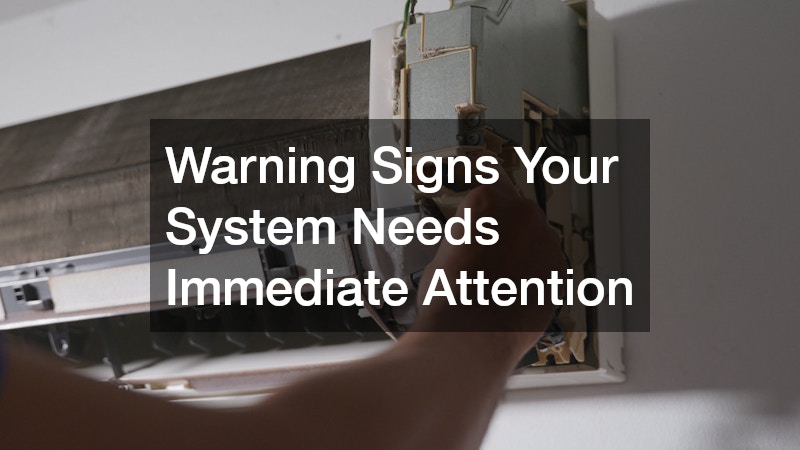
Your system often gives clear warning signs before a major failure occurs, but it’s up to you to recognize them. Ignoring these signals can lead to more serious damage and higher repair costs. Paying attention to changes in performance, sounds, and energy usage can help you catch issues early. The sooner you address a problem, the easier and more affordable it typically is to fix. Being proactive can make a significant difference in maintaining comfort and avoiding emergencies. Staying alert to these signs can help you act before a breakdown occurs.
Common red flags:
- Warm air during cooling
- Weak or uneven airflow
- Loud or unusual noises
- Frequent cycling
- Sudden energy bill increases
Quick troubleshooting steps:
- Check thermostat settings
- Replace the air filter
- Inspect circuit breakers
When to act fast:
- Burning smells
- Complete system shutdown
- Ice buildup on coils
Why Acting Quickly Saves Money:
If basic troubleshooting doesn’t solve the issue, it’s best not to wait. Delaying air conditioning repair can turn a minor problem into a major one. In more urgent situations, calling for AC repair services right away can prevent further damage and restore comfort quickly. Acting early not only protects your system but also helps you avoid higher costs associated with extensive repairs or replacements.
When It’s Time to Repair vs Replace Your Unit
Every system has a limited lifespan, and eventually you’ll need to decide whether to repair or replace it. This decision can be challenging, especially when repair costs start to add up. Understanding the factors involved can help you make a more informed choice. Age, efficiency, and frequency of issues all play a role in determining the best course of action. Taking a strategic approach can help you avoid wasting money on a system that’s nearing the end of its life. Making the right decision at the right time can significantly impact your long-term costs.
Typical lifespan:
- Air conditioners: 10–15 years
- Furnaces: 15–20 years
Consider repair if:
- The system is relatively new
- Issues are minor
- Performance is still reliable
Consider replacement if:
- Repairs are frequent
- Energy bills are increasing
- Comfort levels are inconsistent
Cost comparison tip:
If repair costs are more than half the price of a new system, replacement is often the better investment.
Why replacement may be smarter:
- Better energy efficiency
- Lower long-term costs
- Improved comfort
Making the Right Long-Term Decision:
While HVAC repair can extend the life of your system, there comes a point when continuing to fix it no longer makes financial sense. Choosing air conditioner replacement at the right time can save you money in the long run and improve your home’s overall comfort. Making this decision proactively helps you avoid sudden breakdowns and gives you time to plan for the upgrade. A newer system also brings the added benefit of improved technology and efficiency.
Finding Fast and Reliable Help in Your Area
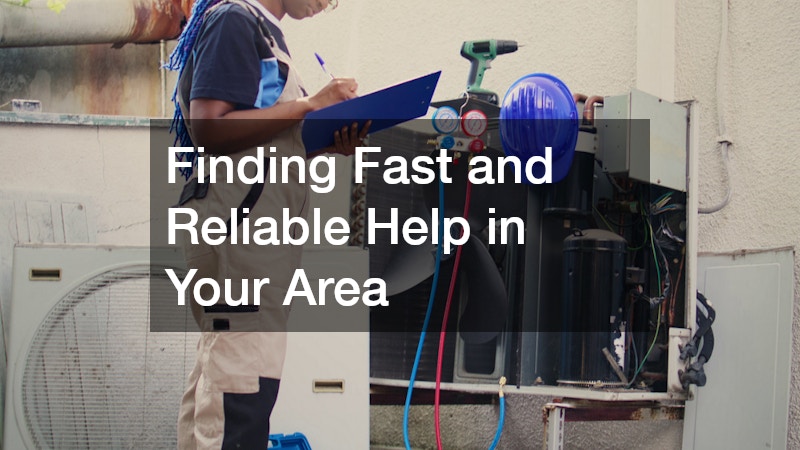
Not all service providers offer the same level of quality or responsiveness, so it’s important to know how to choose wisely. Working with trusted professionals ensures that problems are handled correctly the first time. It also reduces the stress of dealing with unexpected breakdowns. Building a relationship with a dependable provider can save you time and frustration in the future. Being prepared ahead of time can make emergencies far less overwhelming. In situations involving larger properties or more complex systems, you may even find that a commercial HVAC company is better equipped to handle the job efficiently.
Benefits of hiring local professionals:
- Faster response times
- Familiarity with climate conditions
- Easier follow-up service
How to find trustworthy providers:
- Read online reviews
- Ask for recommendations
- Verify credentials
Emergency vs scheduled service:
- Emergency for urgent failures
- Scheduled for routine maintenance
Building a Reliable Service Relationship:
Establishing a relationship with a provider who specializes in local air conditioning repairs can give you peace of mind. When emergencies happen, having a trusted contact makes it easier to get help quickly. In urgent situations, ac repair services can restore comfort and prevent further complications. Taking the time to find the right provider now can make a big difference later.
Energy Efficiency Tips to Lower Utility Bills
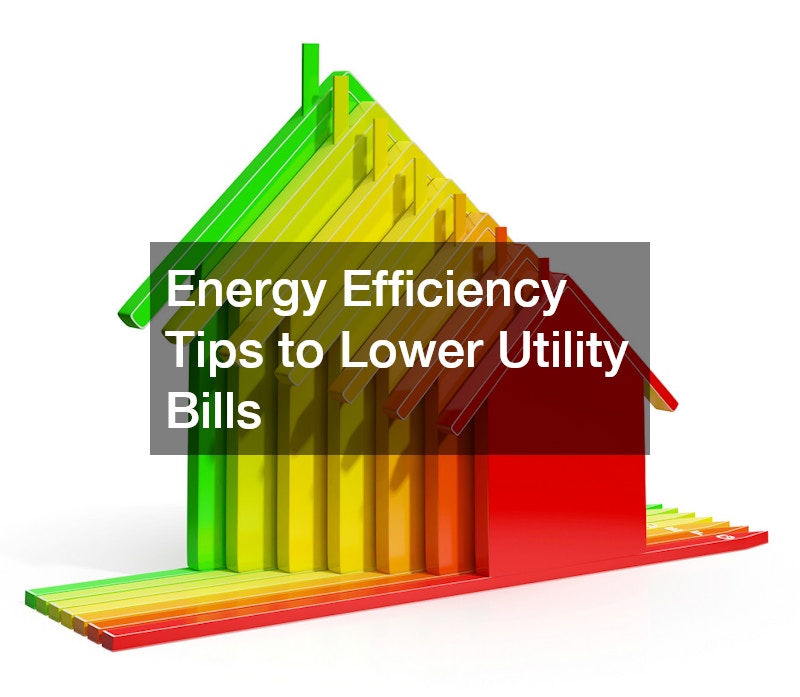
Improving your system’s efficiency is one of the most effective ways to reduce monthly expenses. Small changes can add up over time, leading to noticeable savings on your energy bills. Efficiency also helps reduce wear and tear on your system, extending its lifespan. By making a few smart adjustments, you can improve comfort while lowering costs. These improvements don’t always require major investments, making them accessible for most homeowners. Even small upgrades can produce noticeable long-term results.
Simple ways to improve efficiency:
- Use a programmable thermostat
- Seal air leaks
- Add insulation
- Keep vents clean
High-impact upgrades:
- Install energy-efficient equipment
- Upgrade to modern systems
- Improve duct sealing
Daily habits that help:
- Adjust thermostat settings slightly
- Use fans for airflow
- Block direct sunlight
Why Professional Maintenance Improves Efficiency:
Regular air conditioning services help keep your system running efficiently by addressing small issues before they become larger problems. Routine HVAC services also ensure that all components are functioning properly and not wasting energy. These professional checkups can significantly improve performance and reduce long-term costs. Combining good habits with expert care creates the best results for both comfort and efficiency.
Staying Comfortable Year-Round with Smart System Care
Taking the time to understand your home’s system puts you in a much stronger position as a homeowner. Instead of reacting to problems, you can anticipate them and take steps to prevent them. This proactive approach leads to better performance, lower energy costs, and fewer unexpected repairs. It also gives you confidence when making decisions about maintenance, upgrades, or professional services. Over time, this knowledge becomes an essential part of maintaining a comfortable home environment.
Consistency is key when it comes to keeping your system in good condition. Simple habits like changing filters, scheduling inspections, and paying attention to warning signs can go a long way. Over time, these small efforts add up to significant savings and improved comfort. A well-maintained system not only performs better but also lasts longer.
By combining basic knowledge with regular care and professional support when needed, you can ensure your home stays comfortable no matter the season. Investing in your system today helps you avoid bigger issues tomorrow and keeps everything running smoothly for years to come.