
Owning a home comes with ongoing responsibilities that extend far beyond cleaning and decorating. Plumbing, roofing, heating, cooling, drainage, and structural components all require attention to remain functional. When homeowners overlook routine maintenance, relatively small problems can develop into expensive repairs, property damage, or unexpected disruptions.
Preventative maintenance does not have to be complicated. Many important tasks involve checking for visible deterioration, monitoring changes in performance, and scheduling professional inspections when necessary. The goal is to identify potential problems while they are still manageable rather than waiting for a system to stop working.
A practical maintenance schedule can also make homeownership more predictable. By organizing tasks throughout the year, homeowners can protect their investment, maintain comfortable living conditions, and reduce the likelihood of avoidable emergencies.
1. Inspect Your Plumbing for Hidden Leaks and Water Damage

Water leaks can cause substantial damage before they become obvious. A slow drip beneath a sink or moisture accumulating behind a wall may gradually affect cabinets, flooring, insulation, and other building materials.
Make a habit of checking accessible plumbing areas at least once a month. Look beneath sinks, around toilets, near washing machines, and along exposed basement pipes.
Common warning signs include:
-
Dampness beneath cabinets or appliances
-
Water stains on walls or ceilings
-
Musty odors around plumbing fixtures
-
Unexpected increases in water bills
-
Reduced water pressure
-
Peeling paint or swollen flooring
You can also monitor your water meter when all fixtures and water-using appliances are turned off. If the meter continues recording usage, there may be an unidentified leak.
Not every plumbing issue is visible. Water can travel along framing or collect beneath flooring before reaching an exposed surface.
A local plumbing company can investigate persistent moisture, unexplained water consumption, and recurring pressure problems. Professional leak detection helps identify the source before unnecessary damage occurs during repairs.
Addressing leaks promptly also reduces the likelihood of mold growth and damage to surrounding building materials.
2. Check Your Water Heater for Signs of Wear
Water heaters operate regularly to supply hot water for bathing, cleaning, laundry, and other household activities. Because they work frequently, gradual deterioration may go unnoticed until the household experiences inconsistent temperatures or loses hot water entirely.
Inspect the visible area surrounding your water heater periodically. Look for moisture, corrosion, unusual sounds, or changes in performance.
Warning signs include:
-
Water collecting beneath the equipment
-
Rust around connections
-
Inconsistent water temperatures
-
Reduced hot water availability
-
Unusual rumbling or popping sounds
-
Frequent shutdowns
Sediment can accumulate inside certain traditional tank systems, potentially affecting efficiency and performance. Maintenance procedures vary by manufacturer, so follow the equipment’s instructions or arrange qualified servicing.
Tankless units also require maintenance, particularly where mineral buildup affects internal components.
Professional water heater repair may be necessary when heating elements, thermostats, valves, or other components stop functioning correctly.
However, a leaking tank may require replacement rather than a routine repair. A professional can distinguish between a repairable connection and deterioration affecting the tank itself.
Early attention helps homeowners make informed decisions before hot water problems become emergencies.
3. Examine Your Roof for Damage After Severe Weather

Your roof protects the entire home from precipitation, wind, sunlight, and changing temperatures. Even minor damage can create pathways for moisture to reach the roof decking, insulation, and interior finishes.
Inspect the roof visually from the ground after major storms and during seasonal maintenance. Look for changes that were not present during previous inspections.
Potential warning signs include:
-
Missing or displaced shingles
-
Cracked or deteriorating roofing materials
-
Loose flashing around chimneys
-
Debris collecting in roof valleys
-
Sagging or uneven roof sections
-
Water stains inside the attic
Flashing deserves particular attention because it protects transitions around chimneys, skylights, vents, and adjoining walls.
Residential roofing contractors can assess whether visible deterioration requires localized repairs, maintenance, or more extensive replacement.
A local roofer can also investigate hidden leaks that appear inside the home. Water frequently travels along framing before becoming visible, meaning the source may not be directly above a ceiling stain.
Avoid climbing onto steep, wet, or storm-damaged roofing. Professional inspections provide a safer way to evaluate elevated surfaces and potentially compromised materials.
Keeping photographs of visible changes can help contractors understand when damage first appeared and whether it is progressing.
4. Clean Gutters and Confirm Proper Drainage
Gutters may seem like minor exterior components, but they help control how rainwater moves away from your home. When gutters become clogged or damaged, water can overflow onto siding, roofing edges, landscaping, and areas near the foundation.
Inspect drainage conditions during spring and fall, especially when surrounding trees release leaves, seeds, or other debris.
Look for:
-
Water overflowing during rainfall
-
Sagging or separated gutter sections
-
Loose downspout connections
-
Erosion beneath roof edges
-
Puddles near the foundation
-
Water stains along fascia boards
Downspouts should direct water toward appropriate drainage areas rather than allowing it to collect beside the house.
Gutter guards may reduce debris accumulation, but they do not eliminate the need for periodic inspection.
Observe drainage during moderate rainfall whenever conditions are safe. Water movement often reveals problems that are difficult to identify when everything is dry.
For elevated gutters or difficult rooflines, professional cleaning is safer than attempting work from an unstable ladder.
Effective drainage maintenance helps protect several parts of the property simultaneously, including landscaping, exterior walls, and foundation materials.
5. Schedule Heating System Maintenance Before Winter
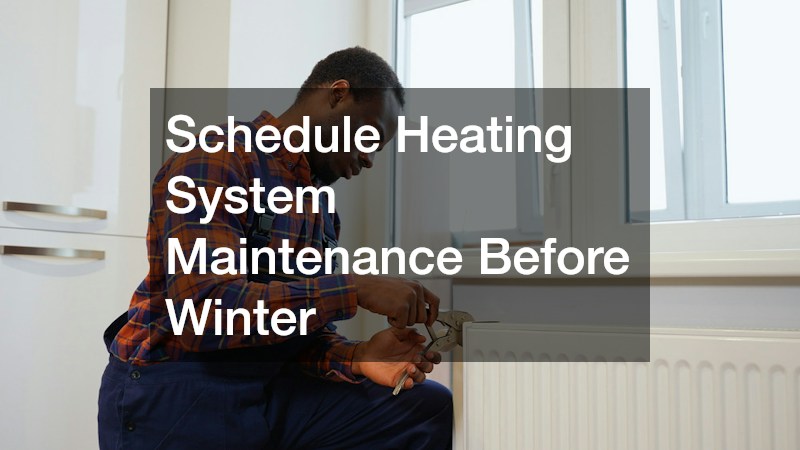
Heating equipment becomes especially important when outdoor temperatures fall. Scheduling maintenance before the heating season provides an opportunity to identify problems while service appointments may be easier to arrange.
Furnaces, boilers, heat pumps, and ductless heating systems have different operating requirements, but all benefit from appropriate inspections.
Homeowners should monitor:
-
Uneven temperatures between rooms
-
Unusual operating noises
-
Frequent system cycling
-
Weak airflow
-
Unexpected shutdowns
-
Increasing energy consumption
Basic homeowner maintenance may include changing accessible filters according to manufacturer recommendations and keeping vents unobstructed.
Internal components, electrical connections, combustion equipment, and gas-related systems require qualified professional attention.
Local heating repair may be necessary when equipment struggles to maintain temperature, displays fault codes, or operates inconsistently.
Do not repeatedly reset equipment that continues shutting down without identifying the cause.
Carbon monoxide alarms should also be installed and maintained according to applicable safety recommendations, particularly in homes with fuel-burning appliances.
If you suspect a gas leak, leave the affected area and contact the appropriate emergency service or gas utility from a safe location.
6. Maintain Your Cooling System Before Summer
Air-conditioning equipment often experiences its greatest workload during extended periods of hot weather. Routine maintenance before summer helps identify developing performance problems and supports dependable cooling.
Begin by inspecting accessible components and monitoring how the system operates.
Important tasks include:
-
Replacing or cleaning air filters
-
Removing vegetation around outdoor units
-
Keeping supply and return vents unobstructed
-
Checking visible condensate drainage
-
Monitoring thermostat performance
-
Listening for unusual operating noises
Outdoor equipment needs adequate airflow, so avoid storing materials or allowing dense shrubs to crowd the unit.
A local air conditioning service can inspect electrical connections, refrigerant-related performance, condensate systems, and other components that require professional equipment.
Watch for cooling problems such as warm air from vents, frequent cycling, unusual sounds, or water accumulating around indoor equipment.
When performance declines, scheduling ac repair is more effective than repeatedly lowering the thermostat.
Continuing to operate equipment with an unresolved malfunction may increase strain on components or allow moisture problems to worsen.
A seasonal inspection can also help homeowners understand whether their equipment is operating appropriately or approaching the point where replacement should be considered.
7. Review Ventilation and Indoor Airflow Throughout Your Home
Indoor comfort depends on more than the temperature displayed on a thermostat. Air circulation, humidity, ventilation, and distribution all influence how comfortable individual rooms feel.
Restricted airflow can cause uneven temperatures and reduce heating or cooling performance.
Review accessible ventilation components regularly, including:
-
Supply and return air vents
-
Bathroom exhaust fans
-
Kitchen ventilation
-
Air filters
-
Attic ventilation openings
-
Areas with recurring condensation
Keep furniture, rugs, and stored belongings away from vents whenever possible.
Pay attention to persistent window condensation, musty odors, unusual humidity, or rooms that consistently feel different from surrounding spaces.
Bathrooms and kitchens should have effective ventilation to help manage moisture generated by showers, cooking, and everyday activities.
An HVAC company can assess airflow problems, duct conditions, ventilation equipment, and system performance when basic maintenance does not resolve the issue.
Not every comfort problem requires replacing heating or cooling equipment. In some cases, improving airflow, correcting duct restrictions, or addressing ventilation may be more appropriate.
Monitoring these conditions throughout the year can also help identify moisture concerns before surrounding materials become damaged.
8. Monitor Your Septic System for Drainage Problems
Homes that use private septic systems require additional maintenance because wastewater treatment occurs on the property rather than through a municipal sewer network.
A typical system uses a tank and drain field to manage household wastewater. Proper operation depends on appropriate usage, periodic inspections, and pumping when needed.
Homeowners should watch for:
-
Multiple slow drains
-
Sewage odors indoors or outdoors
-
Wastewater backing up into fixtures
-
Standing water near the drain field
-
Unusually lush vegetation over system components
-
Recurring drainage problems
Avoid flushing wipes, grease, medications, and other materials that can interfere with wastewater treatment or clog components.
Keep vehicles and heavy equipment away from the drain field to help prevent soil compaction or damage.
A septic repair service should evaluate sewage backups, suspected system failure, and recurring drainage concerns.
Maintenance frequency depends on household size, tank capacity, water consumption, and system characteristics.
Keep records of inspections, pumping appointments, repairs, and equipment locations.
Never enter a septic tank or attempt unsafe work around its openings. Septic environments can contain dangerous gases and other hazards that require specialized training.
9. Inspect Private Well Systems and Monitor Water Quality
Private wells require attention because homeowners are generally responsible for monitoring their water supply and maintaining the associated equipment.
A typical system may include a pump, pressure tank, electrical controls, well casing, and water treatment components.
Changes in water pressure or quality can indicate equipment problems or concerns involving the water source.
Watch for:
-
Sudden pressure changes
-
Cloudy or discolored water
-
Unusual tastes or odors
-
Frequent pump cycling
-
Air coming from faucets
-
Unexpected interruptions in water supply
Private well owners should generally arrange annual testing for total coliform bacteria and nitrates, with additional testing based on local conditions and potential contamination sources.
Protect the wellhead from surface runoff, flooding, physical damage, and nearby contamination hazards.
Well repair services can investigate pump failures, pressure-tank problems, electrical controls, and other concerns affecting water delivery.
Changes in water appearance or smell should prompt appropriate testing rather than assumptions about safety.
Keep testing results, equipment records, and repair documentation organized so future professionals can review previous findings.
10. Inspect Your Foundation, Basement, and Exterior Walls

Structural and exterior conditions can change gradually as buildings experience moisture, soil movement, seasonal temperatures, and normal aging.
Regular visual inspections help homeowners identify changes that deserve further investigation.
Check for:
-
New or widening foundation cracks
-
Water entering basement spaces
-
Bowing foundation walls
-
Uneven floors
-
Sticking doors or windows
-
Damaged exterior caulk
-
Loose siding or deteriorating trim
Small cracks do not automatically indicate major structural damage, but changes in their size or pattern may justify professional assessment.
Drainage is particularly important. Water collecting near foundation walls can contribute to moisture intrusion and changing soil conditions.
Inspect exterior surfaces seasonally and after significant storms.
If structural movement appears to be progressing, arrange an assessment with a qualified foundation specialist or structural professional.
Avoid covering recurring cracks or water stains without identifying their cause. Cosmetic repairs alone will not resolve ongoing movement or moisture problems.
Make Preventative Maintenance Part of Your Routine
Effective home maintenance comes from consistent attention rather than waiting until something fails. Regular inspections can help homeowners identify changes in building materials, equipment performance, drainage, and structural conditions before more extensive damage develops.
Create a maintenance calendar with monthly visual checks, seasonal tasks, and annual professional evaluations. Keep records of previous repairs, service dates, warranties, and equipment information so future decisions are easier to make.
Prioritize active leaks, safety concerns, structural movement, and equipment malfunctions over cosmetic improvements. While many observations and basic cleaning tasks are appropriate for homeowners, hazardous or technically complex work should be handled by qualified professionals.
A practical maintenance routine helps protect your investment, manage unexpected expenses, and keep your home comfortable, safe, and functional throughout the year.