
Owning a home means constantly balancing what needs attention now with what can reasonably wait. Some upgrades are planned months in advance. Others appear suddenly, usually at the worst possible time, when something leaks, breaks, sticks, groans, or stops working altogether.
A smart home upgrade budget helps reduce that stress. Instead of reacting to every problem as an emergency, homeowners can create a practical plan that accounts for safety, comfort, energy efficiency, and long-term value. The goal is not to renovate everything at once. It is to understand which projects matter most, how much they may cost, and how to prepare financially before small problems become expensive ones.
A useful budget starts with honest observation. It considers the age of major systems, the condition of exterior features, and the way the home supports everyday life. With the right approach, homeowners can make confident decisions without feeling pressured into unnecessary upgrades.
Assessing the Home Before Setting Priorities
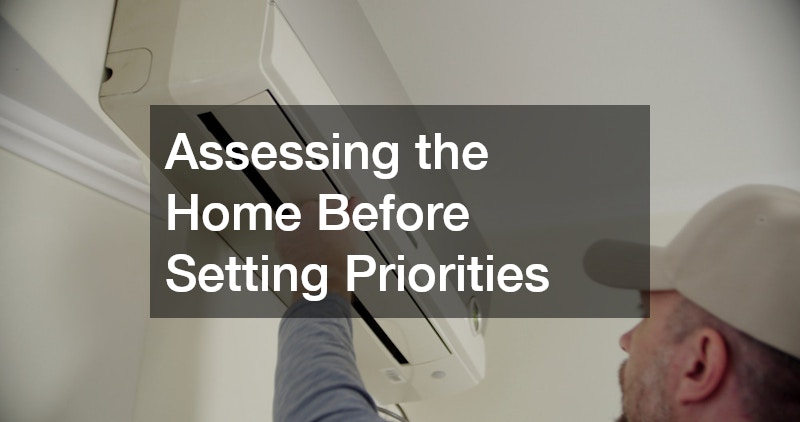
Before assigning dollar amounts to future projects, walk through the home with a notebook or phone and look at it from a maintenance perspective rather than a decorating perspective. This is not about choosing paint colors or imagining dream finishes. It is about noticing what may affect safety, comfort, efficiency, or property value over the next few years.
Start outside. Look for damaged shingles, clogged gutters, cracked caulking, soft trim, or drainage problems near the foundation. Then move indoors and check for water stains, uneven temperatures, slow drains, drafts, flickering lights, worn flooring, sticking doors, and appliances that are nearing the end of their useful life.
Many homeowners find it helpful to sort findings into three categories:
- Issues that could cause damage if ignored
- Systems that are aging but still functioning
- Improvements that would make the home more comfortable or attractive
This simple sorting process prevents every project from feeling equally urgent. For example, a dated bathroom vanity may be annoying, but a slow leak under the sink deserves attention first. A drafty room may be uncomfortable, but if the source is failing seals around aging replacement windows, it may also be affecting energy costs.
Once the assessment is complete, attach rough timelines to each item. Some projects belong in this year’s budget. Others can be planned over two, three, or five years. The more clearly homeowners understand the condition of the house, the easier it becomes to spend money where it matters most.
Protecting the Structure Before Improving the Interior
A beautiful interior will not matter much if the home’s structure is vulnerable to water, weather, or long-term neglect. That is why exterior protection should sit near the top of any home upgrade budget.
The roof is a good example. Minor roof repairs may seem easy to postpone, especially if there is no active leak dripping into the living room. However, loose flashing, missing shingles, or small penetrations can allow moisture to enter slowly. By the time stains appear on the ceiling, the damage may already involve insulation, drywall, wood framing, or mold remediation.
Homeowners should budget for regular inspections, especially after major storms or once the roof reaches the later part of its expected lifespan. If small issues are caught early, the cost is usually easier to manage. If multiple problem areas appear at once, it may be time to compare the cost of continued patching against a larger project.
Planning ahead for a roof replacement service is much easier than scrambling after a major leak. Even if the project is still several years away, homeowners can begin setting aside money annually. This turns a stressful expense into a predictable part of homeownership.
A practical approach is to ask three questions:
- What is the current age and condition of the roof?
- Are repairs becoming more frequent?
- Would waiting increase the risk of interior damage?
The answers help determine whether the budget should focus on maintenance, repairs, or preparation for a full replacement.
Preparing for Mechanical Systems Before They Fail
Mechanical systems tend to work quietly in the background until they do not. A water heater may seem fine one week and fail the next. A furnace may limp through winter until the first very cold night. Plumbing issues can go from minor inconvenience to urgent repair in a matter of hours.
That is why every home upgrade budget should include a reserve for essential systems. Unlike cosmetic improvements, these projects are often nonnegotiable. When hot water, heat, cooling, or running water is affected, homeowners usually need to act quickly.
Start by listing the age of major equipment. If the water heater is approaching the end of its expected service life, begin researching the likely cost of a replacement water heater before it becomes an emergency purchase. That gives homeowners time to compare options, understand installation requirements, and avoid making rushed decisions under pressure.
Plumbing deserves similar attention. Small leaks, slow drains, low water pressure, and recurring clogs should not be ignored. A planned plumbing repair is usually less stressful than damage from a burst pipe or hidden leak. Setting aside even a modest amount each month for mechanical repairs can make urgent situations easier to handle.
One useful method is to create a separate “home systems” savings category. This fund is not for decorating, furniture, or optional upgrades. It is reserved for the things that keep the home functional. When homeowners treat these expenses as inevitable rather than surprising, they are less likely to rely on credit cards or high-interest financing when something fails.
Improving Efficiency Without Overspending
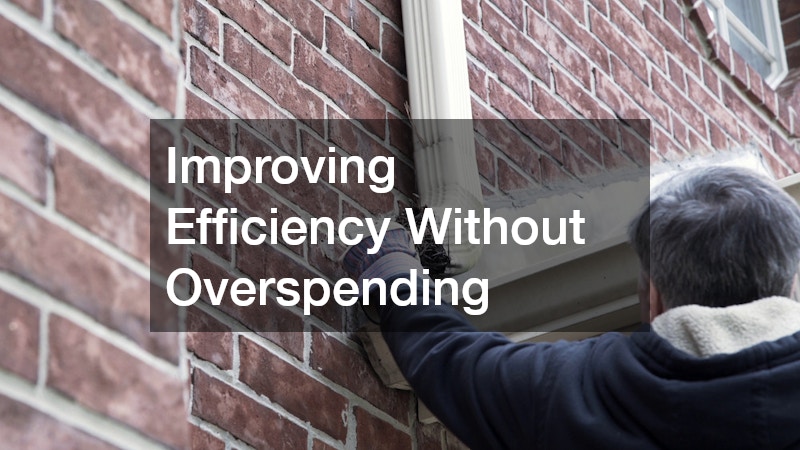
Energy efficiency upgrades can be worthwhile, but they should still be evaluated carefully. Not every improvement pays for itself quickly, and not every home needs the same upgrades. The best budget decisions come from understanding where energy loss is actually happening.
For some homes, old or poorly sealed replacement windows may play a major role in drafts and rising utility bills. For others, the bigger issue may be insufficient insulation, aging HVAC equipment, or air leaks around doors and attic spaces. Before spending thousands of dollars, homeowners should identify the most likely source of the problem.
A realistic scenario might look like this: a homeowner notices that the upstairs bedrooms are always too hot in summer and too cold in winter. The first assumption may be that the windows are the problem. But after checking insulation, vents, and equipment performance, the homeowner may discover that airflow and HVAC sizing are larger concerns.
This is where professional guidance can be valuable. An air conditioning company can evaluate cooling performance, ductwork, and system age, helping homeowners decide whether maintenance, repairs, or future replacement should be built into the budget.
Efficiency planning should include both immediate and long-term savings. Weatherstripping and insulation improvements may be relatively affordable first steps. Larger projects should be compared based on comfort, expected lifespan, utility savings, and overall impact on the home.
The key is to avoid guessing. Spend where the home will benefit most, not where the problem merely appears most obvious.
Scheduling Seasonal Upgrades Before Peak Demand
Timing can affect both cost and stress. Many homeowners wait until the hottest or coldest part of the year to address HVAC problems, which is exactly when contractors are busiest and comfort is most at risk.
A better strategy is to plan seasonal upgrades during milder months. If heating equipment struggled last winter, spring or early fall may be the right time to gather estimates and decide whether heating installation services should be included in the budget. Planning early gives homeowners more room to compare options, schedule work conveniently, and avoid emergency decision-making.
This section of the budget should be based on patterns. Did the system need repeated repairs last season? Are energy bills rising without a clear explanation? Are some rooms consistently uncomfortable? Has the equipment passed its typical service life?
Homeowners do not need to replace a system just because it is older, but they should pay attention to warning signs. Frequent service calls, uneven temperatures, strange noises, and declining efficiency can all suggest that a larger expense is approaching.
Spreading the cost across multiple budget cycles can make the project more manageable. For instance, a homeowner might spend one year improving insulation and sealing air leaks, then plan equipment replacement the following year. This staged approach reduces financial strain while still moving the home toward better performance.
Choosing Interior Updates With Long-Term Value
Interior upgrades can be exciting, but they are also where budgets can drift quickly. A project that begins as a practical improvement can expand into new fixtures, finishes, flooring, lighting, and layout changes. Without clear limits, the final cost may be much higher than expected.
To stay grounded, focus first on function. Which rooms are used most often? Which surfaces are worn, damaged, or difficult to maintain? Which improvements would make daily routines easier?
Kitchen and bathroom projects often deliver strong practical value because they affect everyday comfort and usability. For example, a custom countertop may be worth budgeting for if the existing surface is damaged, hard to clean, or poorly suited to the household’s needs. The decision should consider durability, maintenance, and how long the homeowner plans to stay in the house.
Smaller updates can also make a noticeable difference. Blind replacement may improve privacy, light control, and even room comfort without requiring a major renovation. While it is not as urgent as a leaking pipe or failing heater, it can still belong in a thoughtful home improvement plan when existing window treatments are broken, outdated, or inefficient.
A good interior budget includes a “scope boundary.” Decide in advance what the project includes and what it does not. For example, replacing counters does not automatically mean replacing cabinets. Updating window treatments does not have to lead to repainting every room. Clear boundaries protect the budget from expanding one decision at a time.
Evaluating Exterior Features for Safety and Convenience
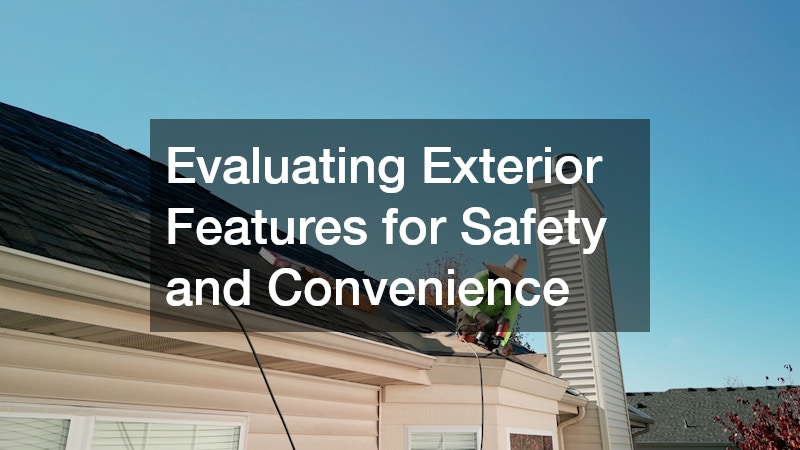
Not every essential upgrade is hidden inside walls or tied to major mechanical systems. Some exterior features affect daily convenience, security, and accessibility. These items are easy to overlook until they stop working properly.
Garage doors are a common example. If the door is noisy, unreliable, dented, poorly insulated, or difficult to operate, garage door installations may become more than a cosmetic consideration. A properly functioning garage door can improve security, protect stored belongings, and make daily routines smoother, especially for households that use the garage as a main entry point.
When budgeting for exterior improvements, look beyond appearance. Ask whether the feature affects safety, weather protection, energy use, or access. A cracked walkway, failing exterior steps, damaged siding, or unreliable entry system can create risks that deserve attention before purely decorative projects.
For larger exterior projects, gathering multiple quotes is especially important. Homeowners should compare not only price, but also scope, materials, warranties, timelines, and contractor experience. If roof work is part of the plan, speaking with a residential roofer can help clarify whether maintenance, repair, or replacement is the most practical option.
The cheapest quote is not always the best value. A vague estimate may leave out important details, while a more complete estimate can reduce surprises later. Budgeting wisely means understanding exactly what is included before committing.
Building a Multi-Year Spending Plan
Most homeowners cannot complete every important upgrade in a single year. The better approach is to create a multi-year plan that organizes projects by urgency, cost, and long-term benefit.
Begin with the projects that protect the home from damage or keep essential systems running. Then schedule improvements that reduce operating costs or improve daily comfort. Finally, add cosmetic or lifestyle upgrades where the budget allows.
A simple multi-year plan might work like this:
Year one focuses on urgent repairs and inspections. Year two addresses aging mechanical systems. Year three includes energy improvements. Year four allows for interior updates. Year five covers larger exterior or convenience upgrades.
Of course, real life rarely follows a perfect schedule. Emergencies happen. Costs change. Priorities shift. The point is not to create a rigid plan, but to give every major project a place in the budget.
Review the plan at least once a year. Update estimated costs, remove completed projects, and add new concerns discovered during routine maintenance. If a project becomes more urgent, move it forward. If something remains stable, it can stay on the future list.
It also helps to create separate savings categories. One fund might cover emergency repairs. Another might support planned upgrades. A third could be reserved for optional improvements. This keeps essential needs from competing directly with wish-list projects.
Homeowners who prefer a simpler method can choose a monthly amount to set aside for all home upgrades. Even a small, consistent contribution builds flexibility over time. The habit matters as much as the amount.
Making Confident Decisions Over Time

Budgeting for home upgrades is not about predicting every future expense perfectly. It is about becoming less surprised by the natural costs of owning and maintaining a home.
The most effective plans start with observation, prioritize protection, prepare for aging systems, and leave room for improvements that make daily life better. By looking at the home as a whole, homeowners can avoid spending too much on low-priority projects while neglecting issues that could become expensive later.
A strong budget also creates confidence. Instead of wondering whether to repair, replace, delay, or finance, homeowners have a clearer framework for making decisions. They know what matters now, what is coming next, and what can wait.
The best time to start is before something breaks. Walk through the home, write down what needs attention, estimate timelines, and begin setting money aside. Over time, those small planning steps can make essential upgrades feel less overwhelming and far more manageable.