
True indoor comfort is a delicate ecosystem. Many homeowners mistake it for a simple reading on a thermostat, but a truly comfortable living environment relies on a seamless harmony of temperature control, humidity regulation, indoor air quality, structural integrity, and acoustic peace. When one component of this ecosystem falters, the entire system degrades. A drafty room forces your climate control systems to work twice as hard, while neglected filtration can turn your living space into a haven for airborne allergens and dust.
The primary obstacle to maintaining this balance is procrastination. Home maintenance is notoriously easy to defer because many of the most critical systems operate entirely out of sight, tucked away in basements, attics, or crawlspaces. However, waiting for a system to experience a total catastrophic failure before addressing it is an incredibly costly strategy. Minor mechanical imbalances, tiny exterior gaps, and slight airflow restrictions are progressive issues. Left unchecked, they compound over time, drastically spiking your monthly utility bills and culminating in expensive emergency service calls during the hottest or coldest days of the year. By understanding how your home’s structural shell interacts with its mechanical systems, you can create a highly efficient, healthier, and profoundly comfortable living space.
Troubleshooting Common Winter Chill Factors
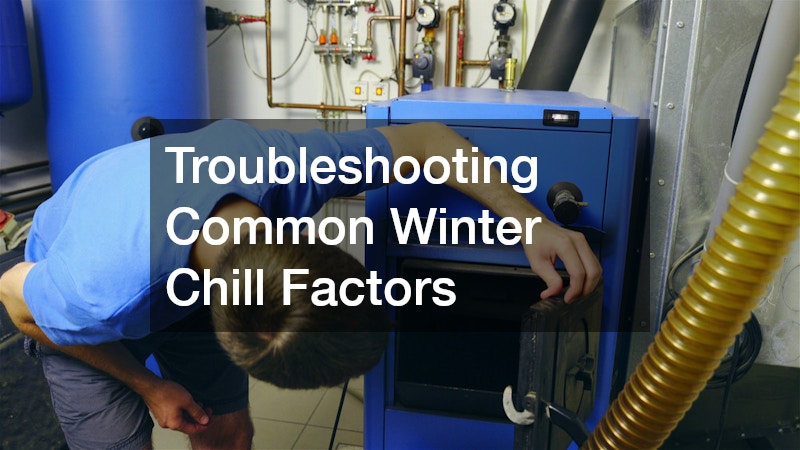
Before assuming your heating system requires a total overhaul, you can perform several diagnostic checks to isolate minor, easily fixable issues. Uneven heating across different rooms, brief operational cycles where the system shuts off too quickly, and unusual rattling or squeaking noises are all clear indicators that your system is struggling.
- Inspect the Thermostat: Verify that your thermostat is calibrated correctly, away from direct sunlight or drafty windows that could skew its temperature readings, and fitted with fresh batteries.
- Assess the Air Filter: A heavily clogged filter chokes system airflow, causing heat to build up rapidly inside the cabinet. This triggers safety limit switches that shut the system down prematurely to prevent overheating.
- Examine Supply and Return Vents: Ensure that furniture, heavy drapes, or rugs are not blocking the registers. Obstructed vents disrupt the balanced pressure required for proper air circulation throughout the house.
- Check the Electrical Panel: Look for tripped circuit breakers or blown fuses that might be preventing electrical components, like the blower motor or electronic ignition, from receiving steady power.
If these basic checks do not resolve the issue, the problem likely lies deeper within the mechanical or electrical assemblies. Persistent issues such as a failing thermocouple, a cracked heat exchanger, or a malfunctioning electronic ignition system necessitate professional heating repair to guarantee that your home remains safe and warm.
Scheduling Annual Thermal System Checkups
Waiting for a blizzard to hit before testing your heating equipment is a recipe for discomfort. Scheduling a comprehensive inspection in the early autumn ensures that your system operates at peak thermal efficiency when you need it most, drastically lowering seasonal energy consumption.
Key focus areas during a professional heating inspection include:
- Inspecting and testing the integrity of the heat exchanger to prevent dangerous leaks.
- Cleaning and adjusting the burner assembly to ensure optimal fuel combustion.
- Testing core safety controls, limit switches, and gas pressure levels.
- Inspecting vital electrical connections and measuring motor amperage for signs of wear.
A thoroughly maintained heating asset operates with far less mechanical friction, minimizing wear on vital moving components. If your system is older or has suffered from years of deferred maintenance, a dedicated professional furnace repair can restore its baseline performance, ensuring reliable, safe, and whisper-quiet operation all winter long.
Maximizing Airflow and Condenser Efficiency
The outdoor condenser unit is the unsung hero of your summer cooling strategy. Because it sits completely exposed to the elements, it is highly vulnerable to environmental blockages that insulate the coils and prevent heat from escaping your home efficiently.
- Maintain a Clear Perimeter: Cut back shrubs, weeds, and overhanging tree branches to maintain at least a two-foot clear zone around the entire exterior unit.
- Remove Debris Accumulation: Gently clear away packed grass clippings, leaves, and twigs from the exterior aluminum fins using a soft brush or a low-pressure garden hose.
- Straighten Bent Fin Blades: Utilize a specialized fin comb tool to carefully straighten any crushed or bent aluminum fins, maximizing the surface area available for heat exchange.
- Level the Condenser Pad: Ensure the concrete or composite pad beneath the unit has not shifted or settled unevenly, which can cause internal refrigerant lines to strain and crack over time.
Beyond physical cleanliness, the chemical balance within the system is paramount. Low refrigerant levels, often caused by microscopic pinhole leaks, force the compressor to work continuously. This extra strain leads to frozen evaporator coils, weak airflow, and eventual compressor burnout, making immediate ac repair essential to save the core components of your system.
Recognizing the Warning Signs of System Fatigue

Cooling systems rarely fail without warning. They typically exhibit distinct behavioral changes that signal an impending breakdown. Recognizing these indicators early allows you to schedule a professional heating and cooling service to address the underlying issues before you are left stranded in a scorching house.
Look out for signs such as a sudden, unexplained spike in your electrical bills, short-cycling, or a noticeable accumulation of ice along the copper refrigerant lines. Persistent humidity indoors, even when the system runs constantly, is another clear sign that your air conditioner is no longer operating at its designated capacity. Addressing these symptoms early protects your wallet and keeps your home cool all summer.
Eliminating Hidden Dust and Allergen Reservoirs
Your home’s ventilation network acts like a set of lungs, circulating air through every room multiple times each day. Over the years, these hidden pathways accumulate a thick lining of sloughed-off skin cells, pet dander, pollen, drywall dust, and mold spores.
Investing in professional cleaning yields several critical advantages for your household:
- A drastic reduction in airborne pollen, dust mites, and pet dander circulating through the home.
- Improved system static pressure, which significantly reduces mechanical wear on blower motors.
- The elimination of musty, stale odors that continuously recirculate through your rooms.
- Enhanced airflow consistency and volume moving out of your supply registers.
When air rushes over these internal deposits, it carries particulate matter right back into your living spaces. Investing in a meticulous air duct cleaning strips away these deeply embedded contaminants, cleaning out your ventilation system and providing an immediate, noticeable relief for allergy sufferers while optimizing system airflow.
Deploying Whole-House Filtration and Purification Systems

While keeping your ductwork clean is an excellent baseline, implementing proactive, continuous filtration solutions is the key to maintaining pristine air over the long term. Standard fiberglass filters are designed solely to protect the equipment from large dust bunnies; they do almost nothing to purify the air you breathe.
- Upgrade to Media Filters: Replace thin, disposable filters with deep-pleated media filters boasting a Minimum Efficiency Reporting Value (MERV) rating between 11 and 13 to capture microscopic particles without choking airflow.
- Install UV Air Purifiers: Mount ultraviolet germicidal irradiation lights inside your HVAC ductwork to alter the DNA of airborne viruses, bacteria, and mold spores, rendering them completely harmless.
- Integrate Whole-Home Humidifiers: Maintain optimal winter humidity between 30% and 50% to prevent dry skin, irritated sinuses, and structural wood shrinkage.
- Utilize Whole-Home Dehumidifiers: Supplement summer cooling by pulling excess moisture directly out of the air before it circulates, eliminating that sticky feeling and inhibiting mold growth.
By combining upgraded physical filtration with targeted indoor air quality solutions, you create a comprehensive defense system that actively scrubs your air, balances moisture levels, and protects your family’s health.
Eliminating Drafts and Sealing Exterior Entryways
Your exterior doors are among the most heavily used components of your home, and the constant physical impact of opening and closing them eventually degrades their seals. Over time, the weatherstripping flattens, tears, or rots away entirely, leaving visible gaps that invite drafts and moisture inside.
- Perform a Visual Light Test: Stand inside your home at night with the exterior lights turned on; any slivers of light piercing through the door perimeter indicate a structural air leak.
- Replace Worn Weatherstripping: Pull out brittle foam or vinyl seals and install high-quality, flexible silicone or EPDM rubber compression seals around the entire door frame.
- Adjust or Install Door Sweeps: Ensure the heavy rubber or brush sweep along the bottom of the door makes firm, even contact with the threshold to block low-lying drafts.
- Calibrate Adjustable Thresholds: Use a screwdriver to raise the adjustable brass or aluminum sill plate until it seals snugly against the bottom of the door without binding.
When older entry doors become warped, structurally compromised, or suffer from failed internal insulation, simple weatherstripping will no longer suffice. Upgrading to modern, insulated fiberglass or steel doors through professional door installations restores a perfect, draft-free seal and bolsters your home’s security.
Protecting the Home Perimeter from Moisture and Wind Damage
Your home’s siding is its first line of defense against harsh weather. When siding cracks, warps, or detaches from the underlying framing, it creates an entry point for wind and driving rain. Moisture that sneaks past these exterior barriers quickly rots the wood sheathing, destroys wall insulation, and fuels toxic mold colonies.
When inspecting your home’s exterior cladding, watch closely for these common indicators of distress:
- Warped, buckled, or wavy panels, particularly along the sunny side of the property.
- A chalky residue, deep cracks, or brittle spots developing on vinyl materials.
- Peeling interior paint or mysterious water stains showing up on your drywall.
- Sudden, unexplained increases in your winter heating or summer cooling costs.
Regularly inspecting your exterior allows you to catch minor issues, such as missing trim pieces or unsealed joints around windows, before they compromise your indoor climate. For homes with aging, weathered, or improperly installed cladding, investing in comprehensive siding services provides a continuous barrier that blocks wind and water while dramatically lowering your seasonal heating and cooling demands.
Insulating Large Openings to Block Extreme Temperatures
An attached garage essentially functions as a massive, unconditioned concrete cavern attached directly to your home. In the peak of summer, the air inside an uninsulated garage can easily climb past 100 degrees, transferring that intense heat straight through your shared interior walls.
Leaving an attached garage uninsulated can cause several widespread issues throughout your household:
- It creates uncomfortably cold floors and hot walls in rooms located directly adjacent to or above the garage.
- It allows vehicle exhaust, carbon monoxide, and volatile chemical fumes to leak into living areas.
- It forces nearby HVAC zones to run significantly longer to compensate for constant heat transfer.
- It accelerates the physical degradation of tools, equipment, and items stored within the garage space.
The largest culprit for this thermal transfer is a flimsy, uninsulated garage door. Upgrading to a modern, multi-layer door with an injected polyurethane core via professional garage door installations forms a robust thermal block. This keeps the garage space significantly closer to your indoor comfort baseline, relieving stress on your main HVAC system.
To complement these exterior upgrades, your mechanical distribution systems require identical protection. If your ductwork runs through unconditioned crawlspaces, attics, or garages, any unsealed joints will bleed conditioned air into empty space. Scheduling professional HVAC repairs to seal these duct connections with heavy mastic and wrap them in thick insulation ensures that every bit of heated or cooled air you pay for actually reaches your living areas.
Achieving a truly comfortable home is not the result of a single, massive renovation project. Instead, it is achieved through steady, mindful attention to both the mechanical systems that generate your indoor climate and the structural barriers that protect it. When your heating and cooling equipment runs with minimal mechanical friction, your ventilation pathways are clear of debris, and your doors and siding are sealed against the elements, your home operates as a highly efficient, unified machine.
By breaking down your home maintenance into manageable, seasonal tasks, you can easily prevent minor wear from turning into major structural damage or mechanical emergencies. This proactive approach saves you thousands of dollars in emergency repairs and monthly energy bills, while providing your family with a clean, healthy, and profoundly comfortable sanctuary to enjoy all year long.