
Energy bills continue to take a large share of monthly household expenses, especially in regions with strong seasonal temperature swings. Heating and cooling systems often run for long hours, and even small inefficiencies can add up over time. Many homeowners do not realize that comfort and cost control can improve at the same time when the right upgrades and habits are in place.
HomeRepairWorkshop.com explains that HVAC efficiency is not a single fix. It is a combination of system design, maintenance, insulation, airflow, and smart controls working together. When each part of the system supports the other, energy use drops without reducing comfort.
This guide breaks down practical, real-world upgrades that help reduce waste, improve performance, and lower utility bills steadily and realistically.
Choosing the Right Professionals for Efficient System Planning

System planning is where energy efficiency starts. If the HVAC system is not properly designed for the home, no amount of maintenance will fully correct the energy loss. Proper sizing, duct layout, and equipment selection all matter.
Working with HVAC companies gives homeowners access to trained teams who evaluate more than just equipment replacement. They review insulation levels, square footage, airflow paths, and even window exposure before recommending solutions. This broader view helps avoid systems that are too large or too small, both of which lead to wasted energy.
A skilled HVAC contractor ensures that installation work matches the design plan. Even high-efficiency systems can underperform if installed incorrectly. Poor sealing, incorrect refrigerant levels, or improper duct connections can force systems to work harder than needed.
Ways professional planning improves efficiency:
- Matching system capacity to the actual home load
- Improving duct layout for balanced airflow
- Reducing hot and cold spots in rooms
- Identifying hidden air leaks during inspection
- Ensuring correct thermostat placement for accurate readings
A well-planned system does not need to “catch up” constantly. It maintains temperature steadily, which reduces runtime and lowers energy usage month after month.
Improving Cooling Efficiency During Warmer Months
Cooling systems often account for the largest portion of summer energy bills, representing a significant expense for homeowners. When these systems are dirty, low on refrigerant, or poorly maintained, they must run longer cycles to reach the desired indoor temperature, leading to higher energy consumption and costs.
Reliable air conditioning service focuses on several critical aspects to ensure optimal performance. This includes cleaning coils, which can significantly impact heat transfer efficiency. Dirty coils can hinder the system’s ability to absorb and release heat, forcing the unit to work harder and longer. Checking refrigerant levels is also vital; low refrigerant levels can lead to well-documented efficiency issues, causing the air conditioning unit to operate incessantly without adequately cooling the space.
Moreover, testing airflow is crucial. Any obstructions in ductwork or blocked vents can severely restrict airflow, increasing the strain on the system. Ensuring that every component, including the compressor, fans, and thermostats, works at maximum efficiency is essential for smooth operation.
When sudden issues occur, such as a failing capacitor or clogged drain line, local AC repair services can swiftly diagnose and correct these problems before energy waste increases further. For instance, a minor issue like a faulty capacitor can lead to the compressor running continuously, while a clogged drain line can cause water damage and potential system failure.
To improve cooling efficiency further, homeowners can adopt several best practices:
1. Regular Filter Maintenance: Replace air filters every 30–90 days, depending on usage and the presence of pets or allergy concerns. Clogged filters restrict airflow, forcing the system to overwork.
2. Open Ventilation: Ensure that all supply and return vents are fully open and unobstructed. This promotes balanced airflow throughout the space.
3. Ceiling Fans: Utilize ceiling fans to help circulate cooled air more evenly across the room. This can create a comfortable wind-chill effect, allowing for a higher thermostat setting.
4. Sunlight Management: Block direct sunlight from heating your space through the use of heavy curtains or reflective window film. This can significantly reduce the cooling load on your air conditioning system.
5. Thermostat Settings: Avoid setting the thermostat too low. Taking a moderate approach, such as setting the thermostat to 75°F instead of 70°F, can help prevent long run cycles and keep energy use in check.
Proper maintenance and care for your cooling system yield additional performance benefits:
- Faster Cooling: A well-maintained system will cool down rooms more quickly, improving overall comfort levels.
- Reduced Wear and Tear: Regular maintenance reduces the strain on compressor and fan motors, extending the lifespan of your system.
- Stable Indoor Humidity Control: Efficient cooling systems can better manage indoor humidity, leading to a more comfortable environment.
- Fewer Breakdowns: Consistent upkeep can minimize emergency repairs during peak summer heat, which are often costly and inconvenient.
When cooling systems operate smoothly through proper maintenance, they can cycle on and off efficiently instead of running continuously. This strategy directly reduces electricity usage and associated costs, keeping your home cool while minimizing the impact on your wallet.
Maintaining System Health to Prevent Energy Loss
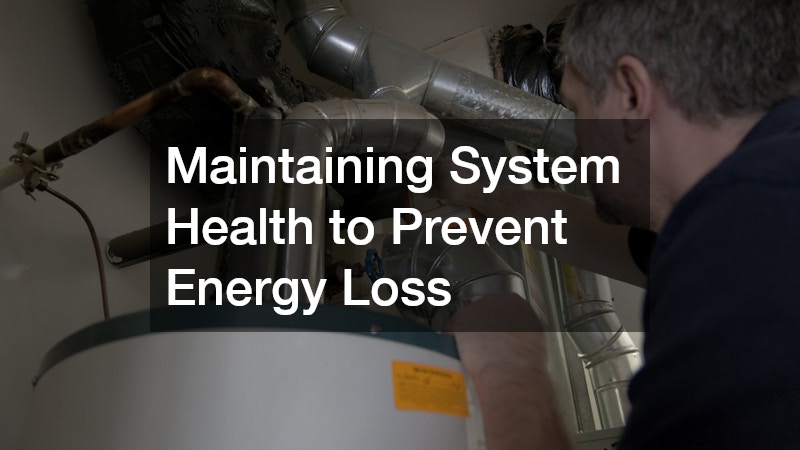
Routine system care is one of the most reliable ways to reduce long-term energy costs. HVAC systems gradually lose efficiency when dust builds up, parts wear down, or airflow becomes restricted.
Scheduled HVAC maintenance services typically include a full system inspection, cleaning of key components, airflow testing, and safety checks. These services help catch small issues before they turn into energy-draining problems.
When performance drops or components fail, HVAC repairs restore proper function. Even something as small as a loose electrical connection or worn belt can increase system runtime and energy consumption.
Common maintenance tasks that directly improve efficiency:
- Cleaning evaporator and condenser coils to improve heat transfer
- Inspecting and tightening electrical connections to prevent power loss
- Measuring refrigerant pressure for proper cooling performance
- Lubricating motors to reduce mechanical resistance
- Calibrating thermostats for accurate temperature control
Warning signs that energy is being wasted:
- Utility bills are rising without changes in usage
- Airflow feels weaker than normal
- Some rooms feel much warmer or cooler than others
- The system runs longer but delivers less comfort
- Unusual sounds during startup or operation
When maintenance is consistent, the system does not need to “push harder” to deliver comfort. That reduced strain translates directly into lower monthly energy usage.
Upgrading Equipment for Better Long-Term Savings
Older HVAC systems naturally lose efficiency over time, even if they still function. Newer systems are designed to use less energy while delivering faster and more consistent comfort.
Modern AC installation projects focus on efficiency ratings such as SEER and EER, which measure how effectively a system uses electricity. Higher-rated systems often cost less to run because they deliver more cooling per unit of energy.
For homes that need flexibility, mini split HVAC installation offers zoned cooling and heating. Instead of conditioning the entire house equally, mini-split systems allow specific rooms to be controlled individually. This reduces wasted energy in unused areas.
Expanded benefits of system upgrades:
- More precise temperature control in different rooms
- Reduced energy use during partial occupancy
- Quieter operation compared to older units
- Improved humidity removal for better comfort
- Lower likelihood of frequent repairs and breakdowns
Key planning considerations before upgrading:
- Home insulation level and air sealing condition
- Proper system sizing based on load calculations
- Number of zones needed for the home layout
- Long-term energy savings compared to repair costs
- Compatibility with smart thermostats or controls
Upgrading equipment is often the most impactful step for reducing long-term energy bills, especially when paired with proper insulation and maintenance.
Improving Heating Efficiency in Cold Seasons
Heating demand can quickly increase utility bills during colder months. If a system is not operating efficiently, it may run for long periods without fully stabilizing the indoor temperature.
A professional heating contractor evaluates furnace performance, airflow balance, and fuel or electrical usage. They can identify inefficiencies such as uneven heat distribution or aging components that increase energy consumption.
When heating systems fail or underperform, furnace repair service restores safe operation while improving efficiency. Ignoring furnace issues often leads to higher energy use because the system compensates by running longer cycles.
Detailed heating efficiency strategies:
- Seal gaps around windows and exterior doors to reduce heat loss
- Replace furnace filters regularly to maintain airflow
- Keep heating vents fully open and free from obstructions
- Use programmable thermostats to reduce nighttime heating
- Lower thermostat settings slightly when away from home
Additional improvements that support heating efficiency:
- Insulate basements and attic spaces to retain heat
- Inspect ductwork for leaks that release warm air
- Balance airflow so all rooms heat evenly
- Upgrade older furnace components when efficiency drops
- Schedule seasonal heating system inspections
When heating systems operate efficiently, they maintain warmth steadily instead of cycling heavily, which reduces energy consumption throughout winter.
Enhancing Efficiency Through Better Home Insulation and Air Sealing
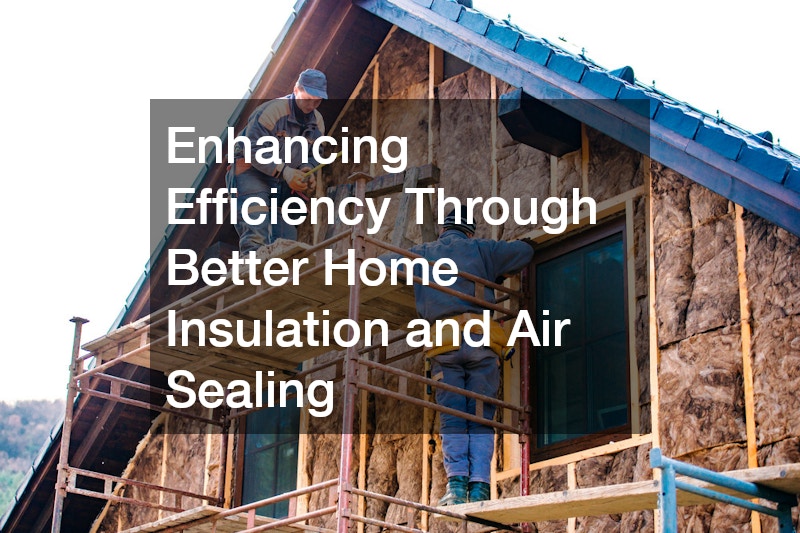
Home insulation plays a major role in how hard HVAC systems must work. Even a high-efficiency system will struggle if conditioned air escapes through leaks and poorly insulated areas.
Major energy loss points include attics, crawl spaces, and poorly sealed windows. These areas allow heated or cooled air to escape, forcing the system to run longer to compensate.
Common problem areas in detail:
- Attics with thin or uneven insulation coverage
- Gaps around window frames and exterior doors
- Crawl spaces that allow outside air infiltration
- Ductwork with loose or unsealed joints
- Wall penetrations for wiring or plumbing
Practical sealing improvements:
- Apply weatherstripping to doors and windows
- Use caulk for small cracks and openings
- Add insulation to attics and basements
- Seal duct connections with approved materials
- Replace worn seals around windows
Better insulation improves temperature stability. Instead of frequent fluctuations, indoor temperatures remain more consistent, which reduces HVAC runtime and lowers energy costs over time.
Smart Thermostat Upgrades for Energy Control
Thermostat settings directly influence how often and how long HVAC systems run. Manual thermostats often lead to unnecessary energy use because settings are changed inconsistently throughout the day.
Smart thermostats improve control by automating temperature changes based on daily routines. They can lower energy use when the home is empty and restore comfort before occupants return.
Expanded benefits of smart thermostats:
- Automated scheduling based on daily patterns
- Remote temperature control through mobile apps
- Detailed energy usage reports and tracking
- Adaptive learning that adjusts over time
- Alerts for unusual system behavior
Effective usage habits:
- Lower heating or cooling settings during sleep hours
- Reduce system use when away from home for extended periods
- Avoid large temperature swings that force long recovery cycles
- Use energy-saving or eco modes when available
- Review weekly or monthly energy reports for adjustments
Smart temperature control reduces unnecessary runtime and helps HVAC systems operate in shorter, more efficient cycles.
Improving Airflow and Duct System Performance
Airflow problems often go unnoticed but have a major impact on energy bills. When air cannot move freely through ducts and vents, systems must work longer to reach the desired temperature.
Common airflow restrictions include dust buildup, blocked vents, and poorly designed duct layouts. These issues reduce efficiency and increase wear on system components.
Detailed airflow issues:
- Dust accumulation inside ductwork reduces air movement
- Furniture or objects blocking vents disrupt circulation
- Leaky ducts release conditioned air before it reaches rooms
- Poor return air placement limits system efficiency
- Collapsed or damaged duct sections restrict flow
Improvement steps:
- Keep all vents open and unobstructed throughout the home
- Clean return air grilles regularly to improve intake
- Schedule duct inspections to detect hidden leaks
- Seal damaged duct joints properly
- Rearrange furniture that blocks airflow paths
Better airflow reduces strain on the system, allowing it to reach target temperatures faster and use less energy overall.
Reducing Energy Waste Through Seasonal HVAC Optimization
Seasonal changes place different demands on HVAC systems. Without preparation, systems often struggle during peak heating or cooling periods, leading to higher energy use.
Seasonal optimization focuses on preparing systems before demand increases. This helps prevent inefficiencies and reduces the chance of breakdowns during extreme weather.
Detailed seasonal preparation:
- Replace filters before peak heating or cooling seasons
- Clean outdoor condenser or heat pump units
- Test heating and cooling modes before heavy use begins
- Check thermostat calibration for accuracy
- Clear debris from vents and airflow paths
Additional seasonal energy-saving habits:
- Adjust temperature settings gradually between seasons
- Use natural ventilation during mild weather periods
- Close unused rooms to reduce conditioned space
- Schedule professional inspections twice a year
- Monitor utility bills for early signs of inefficiency
Seasonal preparation ensures smoother transitions between heating and cooling cycles, reducing unnecessary energy spikes and improving overall system performance.
Achieving Sustainable Savings: The Importance of Comprehensive Home Energy Efficiency
Lowering energy bills is not dependent on a single upgrade. It comes from consistent improvements across system design, maintenance, airflow, insulation, and temperature control. HomeRepairWorkshop.com highlights that each layer of improvement supports the next, creating a system that runs more efficiently as a whole.
When HVAC systems are properly installed, regularly maintained, and supported by a well-sealed and insulated home, they require less energy to maintain comfort. Over time, this leads to lower utility costs, fewer breakdowns, and a more stable indoor environment throughout every season.